
Welcome, today I’m diving into one of the most mouthwatering dishes I’ve made in a long time—my Gyutoro recipe.
Gyutoro is all about ultra-tender, richly flavored beef, and whether you’re using a luxurious Westholme Wagyu Gyutoro cut or a slow-braised brisket like in classic Japanese comfort cooking, the goal is the same: create a melt-in-your-mouth bite that almost feels unreal.
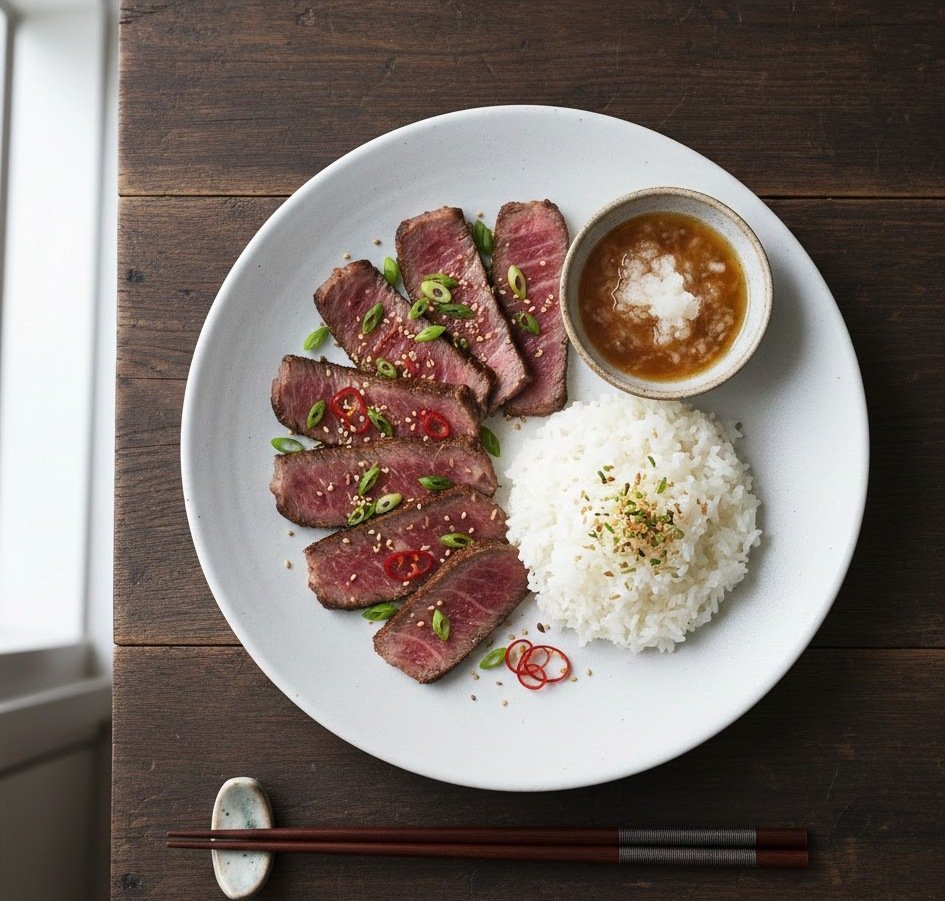
I’ve cooked variations of Gyutoro for years now, sometimes fancy, sometimes simple, but always delicious.
So in this article, I’ll walk you through how I make Gyutoro at home, the equipment I rely on, the ingredients you’ll need, and each step from searing to slicing.
Before we get too deep, here’s a quick recipe overview so you know exactly what to expect.
Cuisine: Japanese
Prep Time: 1 hour (room-temp rest)
Cook Time: 10–12 minutes (Wagyu method)
Servings: 4
This version focuses on the classic Wagyu Gyutoro sear—fast, aromatic, buttery, almost silky.
If you’ve tried brisket-style Gyutoro before (like the long, slow, umami-rich braises), you’ll recognize the signature flavors.
But here, we’re keeping things elegant and minimal, exactly how Japanese chefs do when working with premium beef.
Hi, my name is Dipendra Kumar. I am a Chef, and I like cooking food and making social media content. I am a pro chef, my friends and relatives call me and say you’re always making delicious food.
The Story Behind My Gyutoro Obsession
I still remember the first time I tried cooking Gyutoro. I was overly confident, thinking I could treat Wagyu like any other beef cut—big mistake.
I seared it ice-cold, and it cooked unevenly, leaving me with a tough center and an overdone crust.
Total fail. But over time, I learned that Gyutoro is all about patience and respect for the meat.
Letting the beef come to room temperature, seasoning gently, and searing quickly all make a difference.
A hot pan, melted butter, rosemary, garlic—it’s honestly a tiny ritual of joy in my kitchen. Every time I cook Gyutoro now, I feel like I’m making something special, even if it’s just a weeknight dinner.
If you’re new to this dish, trust me, you’re in for a treat. It’s simple, elegant, and impressive—exactly the kind of recipe that people assume took a ton of effort when really it’s all about technique.
Ingredients
The more ingredients there are in any food, the better the texture of the food becomes and the more delicious the food becomes.
Ingredients Table
| Amount | Unit | Name | Notes |
|---|---|---|---|
| 1–1.5 lbs | — | Westholme Wagyu Gyutoro | or any high-quality Wagyu cut |
| to taste | — | Sea salt | essential for crust |
| to taste | — | Black pepper | freshly cracked |
| 1 tbsp | — | Olive oil | for searing |
| 2–3 sprigs | — | Fresh rosemary | aromatic flavor |
| 3–4 cloves | — | Garlic | smashed, not minced |
| 2 tbsp | — | Butter | for final basting |
Equipment
| Amount | Name | Notes |
|---|---|---|
| 1 | Heavy skillet (cast iron preferred) | retains heat for proper sear |
| 1 | Tongs | for flipping the beef |
| 1 | Cutting board | for resting and slicing |
| 1 | Sharp knife | slices Gyutoro cleanly |
| 1 | Spoon | for basting |
How to Make Gyutoro
This is the part I love the most—each step gentle and intentional. With a gorgeous cut like Wagyu, less is more. Follow my step-by-step guide below.
Step 1
I take my Wagyu Gyutoro out of the refrigerator and let it sit for about 1 hour. Bringing it to room temperature makes sure the inside cooks as beautifully as the outside.
Step 2
I season the beef generously on all sides with sea salt and black pepper. The crust you get from good seasoning is honestly magic.
Step 3
I heat olive oil in my heavy skillet over high heat. When the pan is shimmering hot, I carefully place the Wagyu inside. I sear each side for 1–2 minutes until a beautiful golden crust appears.
Step 4
Once both sides are seared, I add the garlic cloves and rosemary sprigs. The aromas fill the kitchen instantly, and I spoon the hot oil over the beef for 2–3 minutes.
Step 5
I reduce the heat to medium-low, add the butter, and let it melt into a gorgeous foamy pool. I baste the Wagyu continuously for another 2–3 minutes. This is honestly my favorite part.
Step 6
I remove the beef and place it on a cutting board. Letting it rest for 10 minutes keeps it juicy—don’t skip this step, even if your patience is thin like mine sometimes.
Step 7
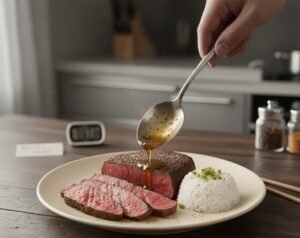
I slice the Gyutoro against the grain and serve it on warm plates with the pan juices drizzled over the top. It looks restaurant-level gorgeous with so little effort.
Drink Pairings
Gyutoro pairs beautifully with:
● A bold red like Cabernet or Shiraz
● Japanese whiskey for a richer experience
● Cold sake—clean and refreshing
● Even a simple iced green tea keeps things balanced
Each drink highlights a different facet of the beef, so pick what makes you happiest.
Tips I Wish I Knew Sooner
Don’t rush the sear
The pan must be screaming hot. That’s where flavor happens.
Don’t skip resting time
I used to slice my beef too soon and lose half the juices. Resting truly transforms texture.
Use real butter, not substitutes
Gyutoro is about indulgence; the butter baste adds richness you can’t mimic.
Slice against the grain
Otherwise, even Wagyu can seem chewy.
Serving Ideas
I usually serve Gyutoro with simple sides like:
● Steamed rice
● Pickled vegetables
● Miso soup
● Light greens with citrus dressing
Because the beef is so rich, lighter sides help balance everything out.
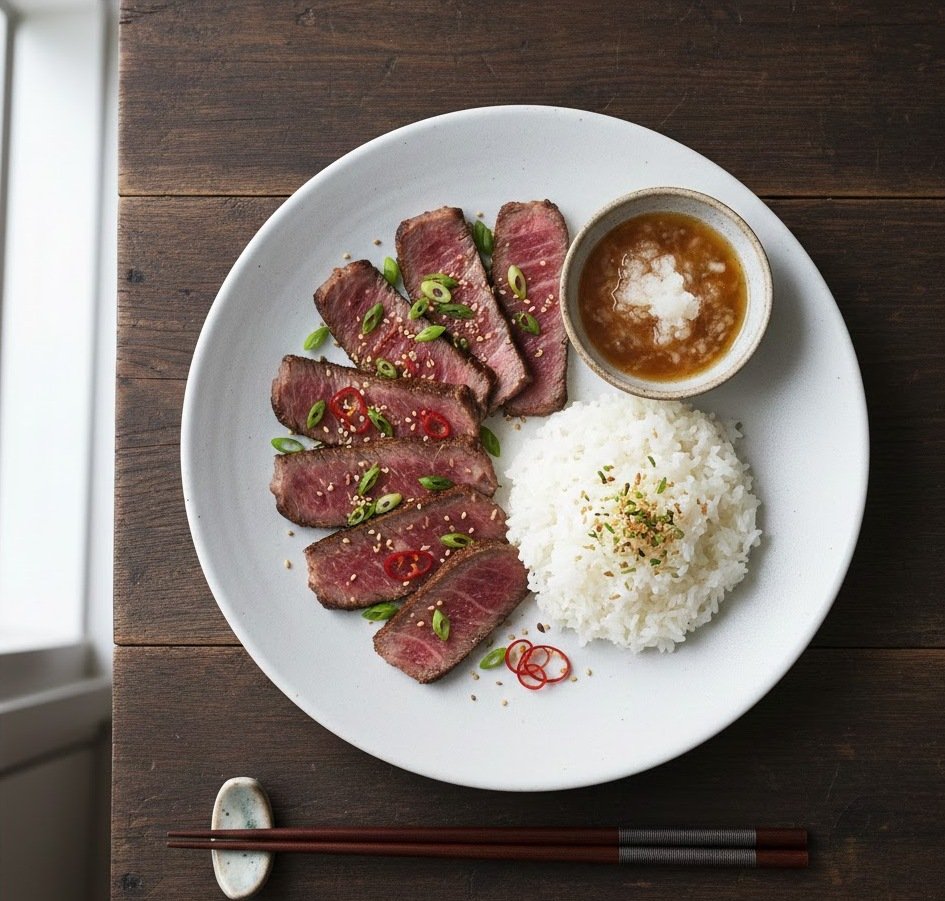
Gyutoro Recipe
Ingredients
Equipment
Method
- Let the Wagyu Gyutoro sit at room temperature for 1 hour. This helps it cook evenly and stay tender.
- Season the beef generously on all sides with sea salt and black pepper.
- Heat a heavy skillet over high heat and add the olive oil. Once shimmering hot, place the Wagyu in the skillet.
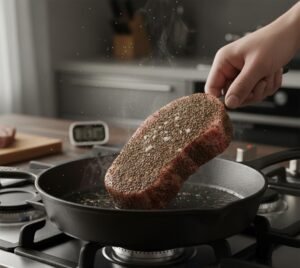
- Sear each side for 1–2 minutes until a golden crust forms.
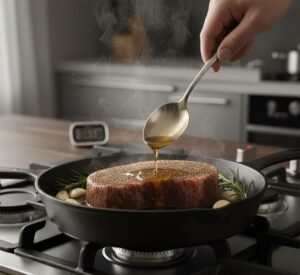
- Add the garlic and rosemary to the skillet. Spoon the aromatic oil over the beef for 2–3 minutes.
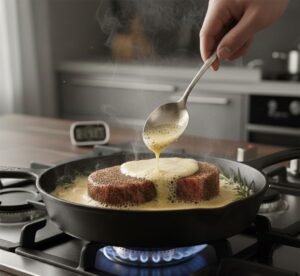
- Lower the heat to medium-low, add butter, and baste the beef for another 2–3 minutes.
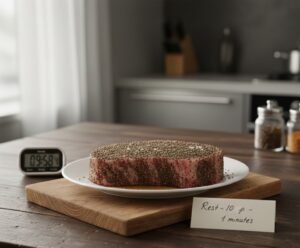
- Remove the Gyutoro from the skillet and let it rest on a cutting board for 10 minutes.
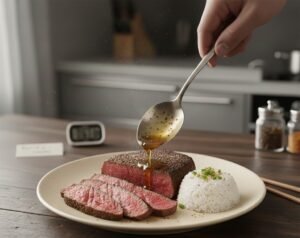
- Slice against the grain and drizzle the pan juices over the top before serving warm.
Notes
FAQs:-
What cut of beef is best for Gyutoro?
Wagyu Gyutoro is ideal because of its rich marbling and melt-in-your-mouth texture.
Do I need to marinate Gyutoro?
Nope! High-quality Wagyu only needs simple seasoning—salt and pepper.
Why must the beef rest before slicing?
Resting keeps the juices inside so the Gyutoro stays tender.
How do I know when the sear is right?
Look for a golden, crisp crust after 1–2 minutes per side.
Can I substitute another oil for searing?
Yes, any high-heat oil works, but olive oil adds great flavor.
Conclusion
And that’s my cozy little journey into making gyutoro at home. Every time I cook this recipe, I feel like I’m treating myself, and I hope you feel the same when you try it.
I love how simple but special it is, and I’m excited for you to bring it to your own table too. Happy cooking, my friend!
Read More:- Wingstop Mango Habanero Sauce Recipe




