
Every time I think about comforting food, the kind that makes you stop for a moment and breathe in the aroma, as if you’re holding onto a memory, Kalua Pork and Cabbage is one of the first dishes that pops into my mind.
I didn’t grow up eating Hawaiian food every day, but sometime around my early cooking years, I fell absolutely in love with it.
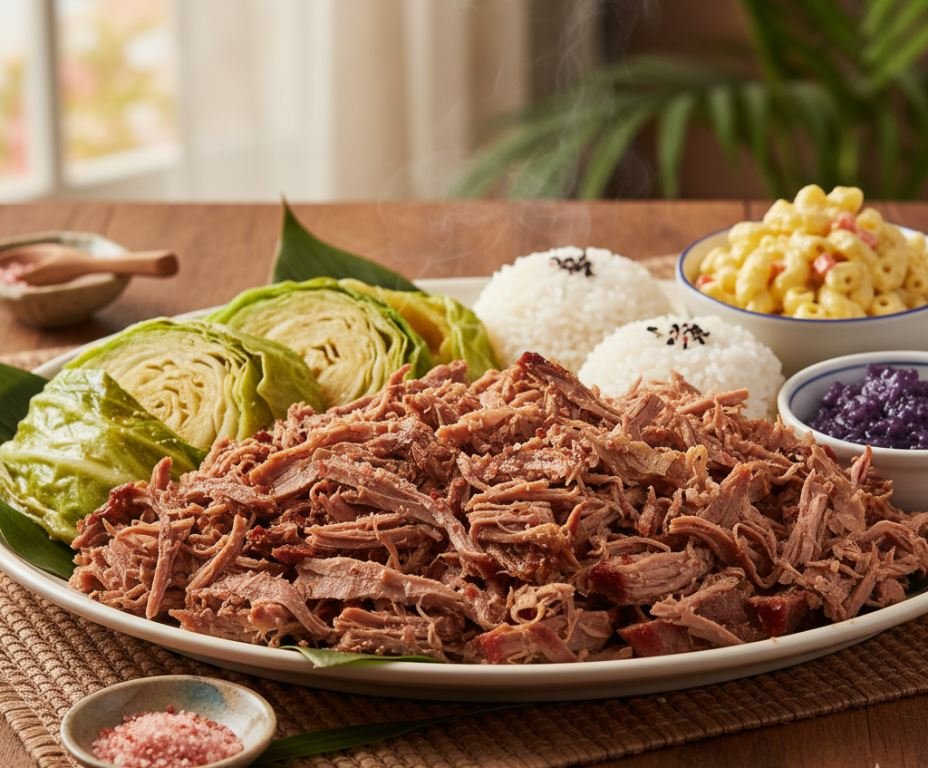
Maybe it was the simplicity, perhaps the smoky tenderness of slow-cooked pork, or maybe it was the fact that this one recipe can bring a whole family to the dinner table without any complaints. And trust me, that’s not easy.
The first time I ever tasted Kalua Pork at a luau in Hawaii, it blew my mind. I still remember wondering how something made with so few ingredients could taste so deep and earthy.
Later, I learned that the traditional method involves cooking a whole pig in an underground imu pit for hours.
Since I don’t have a backyard big enough to dig a pit, let alone the strength for hauling a whole pig around, I had to find ways to recreate the magic at home.
Over the years, I’ve tried so many versions, burned a couple of batches, over-salted a few, and finally settled into my favorite ways to make Kalua Pork and Cabbage the easy, modern-kitchen way.
And honestly? It’s become one of those recipes I always go back to when I feel lazy, tired, or homesick (even if it’s not my home). It’s simple, it’s cozy, and the leftovers are even better.
What Exactly Is Kalua Pork?
In traditional Hawaiian cooking, Kalua Pork is a whole pig seasoned with sea salt, wrapped in banana leaves, and slow-roasted underground for hours.
The word “kalua” basically means cooking in an earth oven. What comes out of that pit is unbelievably tender, smoked naturally by the wood and lava rocks, and gently seasoned so the pork flavor really shines.
Since most of us can’t recreate that method exactly, home cooks usually make a simpler version using pork shoulder, sea salt, and sometimes liquid smoke to mimic the smokiness of an imu pit.
The result is still incredible—soft, juicy shreds of pork that pair perfectly with cabbage, rice, or even mac salad if you want the full Hawaiian plate lunch experience.
The Five Ingredients That Make This Dish Work
One thing that always amazed me is how few ingredients you need to make Kalua Pork taste amazing. Let me break down the basics the way I’ve learned through a lot of cooking—and a few mistakes too.
1. Pork Shoulder
This is my go-to cut. Pork shoulder (also called pork butt or Boston butt) has the perfect amount of fat to make the meat juicy as it cooks. I always choose bone-in when possible because it gives more flavor.
2. Sea Salt
Hawaiian Alaea sea salt is traditional. It has a unique earthy flavor thanks to the volcanic clay it’s mixed with. But honestly, use whatever sea salt you have. I’ve made this recipe dozens of times, and regular sea salt works totally fine, too.
3. Soy Sauce
This isn’t always used in the most traditional version, but it adds umami and color when you’re braising the pork in the oven, Instant Pot, or slow cooker. Light soy sauce works best, so the pork doesn’t get too dark or too salty.
4. Liquid Smoke
This one is optional, but I strongly recommend it. A little goes a long way and gives that smoky, deep flavor that makes people think the pork was cooked for 10 hours in a fire pit. When I first tried cooking Kalua Pork without liquid smoke, it honestly felt like something was missing.
5. Cabbage
Cabbage might seem like an afterthought, but it really completes the dish. It adds sweetness, crunch (or softness, depending on how long you cook it), and makes the meal feel a little lighter. I always feel like the cabbage soaks up the juices in the best way.
How I Make Kalua Pork and Cabbage in the Oven

If you ask me, the oven method gives you the closest flavor to traditional kalua pig without actually digging a hole in your backyard. It’s slow, but it’s worth it.
Step 1: Prep the Pork
I make a few deep slits in the pork shoulder—nothing too fancy—and rub sea salt inside and outside the meat. You want the salt to really get in there because it’s the primary seasoning.
Step 2: Brown the Pork
I heat my Dutch oven with a little oil and brown the pork on all sides. This step adds flavor, and I personally think it makes the braising liquid richer.
Step 3: Braise
I pour in soy sauce, a splash of liquid smoke, and enough water to come halfway up the pork. Then I cover the Dutch oven and stick it in the oven at 350°F for around 2 hours, sometimes a bit longer depending on the size.
Step 4: Shred
When the pork is fall-apart tender, I take it out and shred it into big chunks. I like larger pieces because they give better texture.
Step 5: Cook the Cabbage
While the pork rests, I skim fat from the braising liquid and bring it to a boil on the stove. Then I add the cabbage and cook it until tender, about 8–10 minutes. After that, I mix the pork back in.
Serve it over hot rice and you’re honestly transported straight to Hawaii without leaving your kitchen.
Instant Pot Kalua Pork and Cabbage (My Weeknight Savior)
The Instant Pot is a miracle for this recipe. When I’m rushing or feeling too lazy to wait, this is my go-to method.
Step 1: Brown the pork using the Sauté function.
Step 2: Add soy sauce, liquid smoke, and water until the pork is halfway submerged.
Step 3: Cook on high pressure for 1 to 1.5 hours.
Step 4: Quick release, take out the pork, and shred it.
Step 5: Add shredded cabbage to the remaining broth and cook for just 1 minute on high.
Any longer and the cabbage will turn mushy—trust me, I made that mistake once.
Mix everything back together, and it’s ready.
Slow Cooker Kalua Pork (For Those Really Lazy Days)
This method might be the easiest if you like to prep in the morning and forget about it.
Step 1: Brown the pork in a skillet.
Step 2: Add it to the slow cooker with soy sauce, liquid smoke, and water.
Step 3: Cook on low for 8 hours until tender.
Step 4: Remove, shred, skim the fat, and add cabbage.
Step 5: Cook the cabbage until tender and mix it all.
It’s foolproof.
The Easiest Shortcut: Store-Bought Kalua Pork
There are days when I honestly don’t even want to brown meat. That’s when I grab a container of May’s or Keoki’s kalua pork.
All I do is:
- Slice half a head of cabbage
- Heat the pre-cooked pork
- Toss the cabbage in
- Add a splash of soy sauce, some sesame oil, and pepper
- Pour in a little chicken broth
- Cover the pan and steam everything
It takes maybe 10 minutes and tastes shockingly good.
Kalua Pork and Cabbage Recipe
Ingredients
Equipment
Method
- Take a sharp knife and make a bunch of slits all over the pork.
- Rub the sea salt on the outside and inside those slits. Don’t skip this part, it helps the flavor get deeper.
- Heat a little oil in a Dutch oven and brown the pork from all sides. This step always makes the flavor better.
- Turn the heat off and pour in soy sauce, liquid smoke, and enough water so the pork sits halfway in the liquid.
- Cover the pot and bake at 350°F for about 2–2.5 hours, flipping the pork once in between.
- When the pork is super soft, take it out and let it cool a bit. Then shred it with your hands or forks.
- Skim off the fat from the braising liquid and bring it to a boil.
- Add the cabbage and let it cook 8–10 minutes or however soft you like it.
- Add the shredded pork back in the pot and mix everything together.
- Turn on the Sauté button and brown the pork on all sides.
- Add soy sauce, liquid smoke, and enough water to half-submerge the meat.
- Close the lid and cook on High Pressure for 1–1.5 hours depending on the size.
- Quick release the pressure and pull the pork out to shred.
- Remove extra fat from the liquid, throw in the cabbage, and cook 1 minute on high.
- Add pork back in and give it all a good mix.
- Brown the pork in a skillet (optional but I always do it).
- Put the pork in the slow cooker and add soy sauce, liquid smoke, and water.
- Cook on Low for 8 hours, flipping once if you remember.
- Take out the pork, shred it, and skim the fat from the liquid.
- Add cabbage to the slow cooker and cook on High until it softens.
- Mix the shredded pork back into the pot.
Notes
- If you don’t like mushy cabbage, keep an eye on it because it cooks quick.
- Liquid smoke makes the dish taste more “Hawaiian,” but it’s fine without it too.
- Leftovers taste even better the next day, so don’t be scared to make a big batch.
How I Love Serving Kalua Pork and Cabbage
You can serve this dish in so many ways:
- Over white rice (the classic)
- With Hawaiian mac salad
- Stuffed inside slider buns for sandwiches
- Rolled in tortillas
- With lomi salmon on the side
- Or even just by itself when you want something simple and warm
Leftovers reheat beautifully, too. Sometimes I think they taste better the next day.
Why This Dish Means So Much to Me
I’ve cooked hundreds of recipes over the years, but Kalua Pork and Cabbage always stay close to my heart.
Maybe it’s because it reminds me of Hawaii and the relaxed feeling the islands gave me. Maybe it’s because it’s impossible to mess up too badly.
Or maybe it’s because it brings people together—kids, picky eaters, adults who swear they don’t like cabbage, everyone.
No matter how busy or stressful life gets, this recipe slows me down for a moment. The smell alone makes my whole home feel warm. And honestly, that’s sometimes all we need.
If you’ve never tried making Kalua Pork and Cabbage at home, I really hope you give it a shot. It’s simple, comforting, and the closest thing to an island vacation packed into a single pot.
FAQs:-
What cut of pork works best for Kalua Pork?
Honestly, I always use pork shoulder (also called pork butt). It has the right amount of fat, so the meat comes out super tender. I’ve tried lean cuts before, and they just didn’t taste the same.
Do I really need liquid smoke?
You don’t need it, but I highly recommend it. Without liquid smoke, the pork still tastes good, but it kinda misses that smoky Hawaiian flavor I love. A few drops make a big difference.
Can I make this recipe ahead of time?
Yes, totally. I make it a day ahead sometimes because the flavors actually get deeper overnight. Just warm it on the stove or microwave, and it tastes almost even better the next day.
What type of cabbage should I use?
I usually go with basic green cabbage because it softens nicely and soaks up all the juices. Napa cabbage works too, but it cooks much faster, so you gotta watch it more closely.
How do I prevent the pork from turning too salty?
This one I’ve learned the hard way. Don’t overdo the sea salt in the beginning, and avoid adding too much soy sauce. And remember, the liquid reduces, so the saltiness gets stronger while cooking.
Read More:- Canh Chua Recipe – My Vietnamese Sweet & Sour Comfort Soup





1 thought on “Kalua Pork and Cabbage Recipe”