
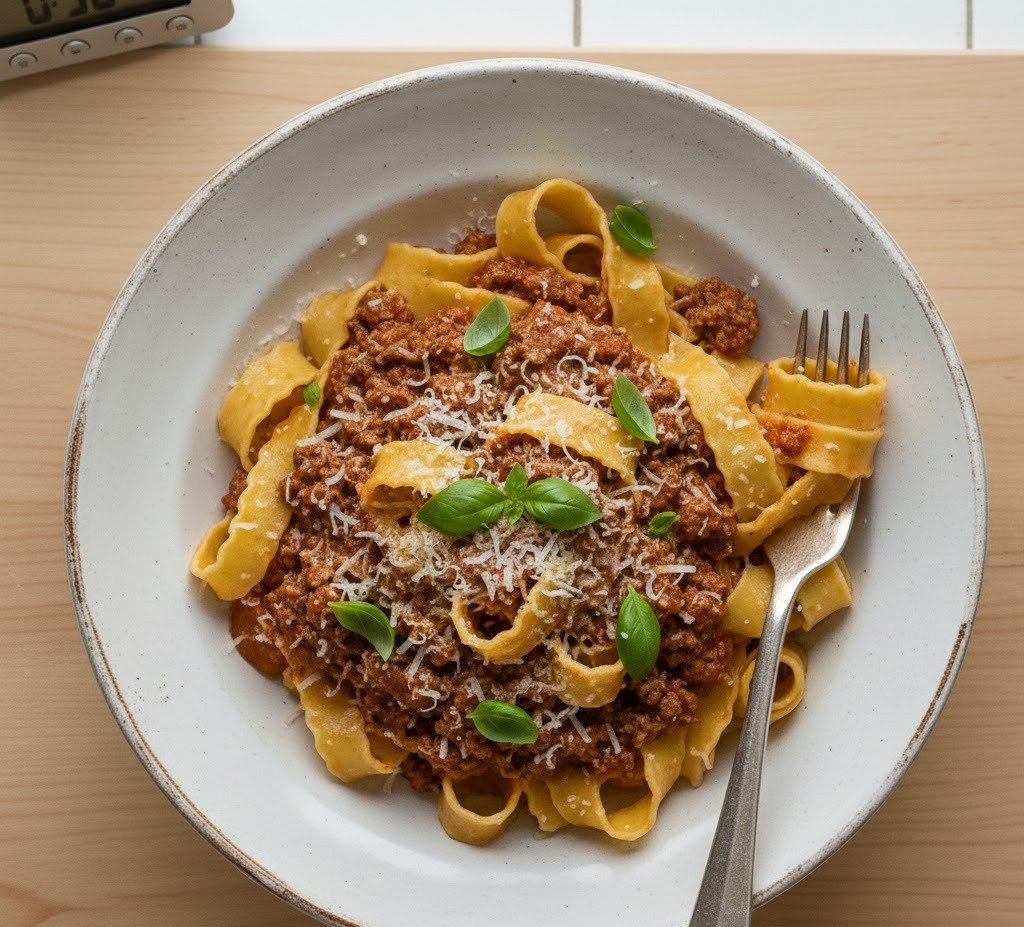
Welcome! Today, I’m sharing my most comprehensive and relaxed guide to making wide, handmade pasta noodles at home.
This is one of those cooking projects I come back to whenever I want to slow down and really enjoy being in the kitchen.
Hi, my name is Dipendra Kumar, and I am a professional chef. I like cooking food for my family and relatives.
Making fresh pasta with your hands feels grounding, almost therapeutic, and the result is always worth the effort.
These wide ribbons are rustic by nature. They don’t need to look perfect, and honestly, they shouldn’t.
A little unevenness is what makes them special. In this guide, I’ll walk you through everything clearly and calmly, from mixing the dough to cooking, storing, and serving it.
Nothing rushed, nothing complicated, just a dependable method that works.
Easy Recipe for Beginners
If you’ve never made fresh pasta before, this is a great place to start. Wide ribbons are forgiving and don’t require special tools or attachments.
You roll out the dough, cut it into strips, and you’re done.
When I first started making pasta, this shape gave me confidence. Even when my cuts weren’t straight, the noodles cooked beautifully and held sauce well.
That’s when I realized that homemade pasta is more about feel than precision.
Traditional Italian Approach
This style of pasta comes from Tuscany, where cooking is simple, comforting, and deeply tied to tradition.
These noodles are usually served with rich sauces, slow-cooked meats, or earthy mushrooms. Their width isn’t accidental; it’s meant to support bold flavors.
In Italian kitchens, the dough is kept very simple. There’s no need for complicated additions.
Flour, eggs, and time are all you need, and that simplicity is what makes this pasta timeless.
Fresh Egg Pasta Dough
This dough is made with eggs, which gives the noodles a rich flavor and a silky, tender texture.
Eggs also add structure, which is important for wide noodles that need to hold their shape in boiling water.
I usually work with whole eggs, but sometimes I’ll add an extra yolk if I want the dough slightly richer.
What matters most is how the dough feels in your hands. It should be firm but flexible, smooth but not sticky.
Making Pasta Completely by Hand
There’s something very satisfying about making pasta from scratch with no shortcuts.
Mixing, kneading, and rolling the dough forces you to slow down and focus. I like to clear my counter, dust it lightly with flour, and take my time.
This isn’t fast cooking, and that’s the beauty of it. The process itself becomes part of the meal.
By the time the noodles are ready, you already feel connected to what you’re about to eat.
A Tuscan-Inspired Style
In Tuscan cooking, balance is everything. The noodles are sturdy enough to hold hearty sauces but tender enough to melt in your mouth. They’re meant to work with the sauce, not overpower it.
When I make these noodles at home, I keep the dough plain and focus on getting the texture right. Once you understand the dough, everything else becomes much easier.
A Simple Three-Ingredient Dough
At its heart, this recipe uses just flour, eggs, and salt. That’s it. Because there are so few ingredients, their quality matters more than anything else.
Good flour and fresh eggs make a noticeable difference. This simplicity also makes the recipe flexible.
Once you understand how the dough should look and feel, you can adapt it easily without stress.
Making Noodles Without a Machine
You don’t need a pasta machine to make this pasta. A rolling pin works perfectly fine. It does take a bit more effort, but the results are just as satisfying.
The key is rolling evenly and rotating the dough often. I like to lift the dough and hold it up to the light. If I can faintly see my hand through it, I know it’s thin enough.
How the Process Comes Together
The process follows a gentle rhythm. First, you make the dough. Then you let it rest. After that, you roll it thin, cut it into ribbons, and either cook it or store it for later.
Each step builds on the last one. As long as you don’t rush, everything flows smoothly, even if it’s your first time.
Mixing and Resting the Dough
I usually mix the dough directly on the countertop because I like having full control, but a bowl works too.
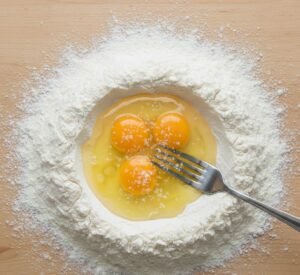
Start by forming a mound with the flour and creating a wide well in the center. Add the eggs and salt.
Use a fork to gently beat the eggs while slowly pulling flour in from the sides.
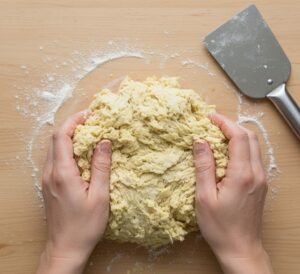
Once the mixture becomes thick and shaggy, switch to your hands. Knead until the dough becomes smooth and elastic.
After kneading, the dough needs to rest. This step relaxes the gluten and makes rolling much easier. Skipping it almost always leads to frustration.
Ingredients You’ll Need
| Amount | Ingredient | Notes |
|---|---|---|
| 3 ¼ cups | All-purpose flour or finely milled flour | Finely milled flour gives a softer texture |
| 4 large | Eggs | Room temperature works best |
| ½ teaspoon | Fine sea salt | Enhances flavor |
| As needed | Extra flour or semolina | For dusting |
Equipment to Prepare
| Amount | Equipment | Notes |
|---|---|---|
| 1 | Large work surface or bowl | Countertop preferred |
| 1 | Fork | For mixing |
| 1 | Bench scraper or spatula | Helpful for gathering dough |
| 1 | Rolling pin | Machine optional |
| 1 | Sharp knife | Clean cuts make a difference |
| 1 | Clean towel or plastic wrap | For resting dough |
How to make Pappardelle Noodles Recipe/.
Step 1
Place the flour on your work surface and form a wide well in the center. Add the eggs and salt, then gently beat them with a fork.
Step 2
Slowly pull flour from the edges into the eggs until a rough dough forms. Use your hands or a scraper to bring it together.
Step 3
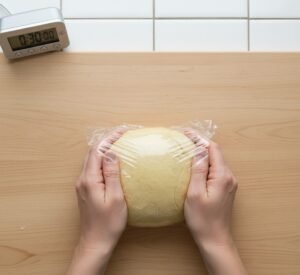
Knead the dough for about 8–10 minutes until it feels smooth and elastic. Wrap it and let it rest at room temperature for at least 30 minutes.
Step 4
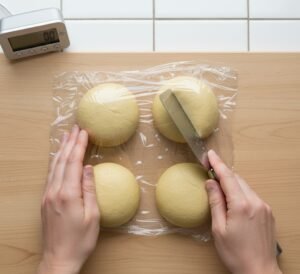
Divide the rested dough into four pieces. Work with one piece at a time and keep the others covered.
Step 5
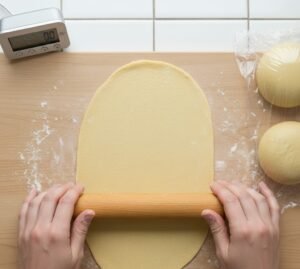
Roll one piece of dough thin on a lightly floured surface, rotating it often to keep the thickness even.
Step 6
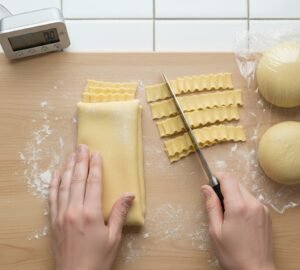
Lightly dust the dough sheet, fold it loosely, and cut it into wide ribbons using a sharp knife.
Step 7
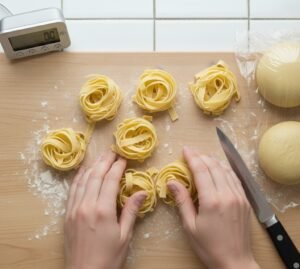
Gently separate the ribbons and dust them with flour. Shape into loose nests or lay flat until ready to cook.
Choosing the Right Flour
Finely milled flour rolls very smoothly and produces tender noodles, while standard all-purpose flour gives a slightly firmer bite. I use both depending on what I have in my pantry.
There’s no wrong choice here, just different textures.
Why Egg Dough Works So Well
Egg-based dough is richer and more structured than water-based dough. This structure is especially helpful for wide noodles, which need to stay intact during cooking.
If the dough feels dry, resting it longer often solves the problem without adding extra liquid.
Using Semolina for Dusting
Semolina is excellent for dusting because it prevents sticking without being absorbed too quickly. I rarely use it in the dough itself, but I always keep some nearby when shaping noodles.
Helpful Tips for Success
Let the dough rest fully, roll it thinner than you think you need, and don’t be shy with flour during cutting. These small habits make a big difference.
Trust your hands more than measurements. Dough reacts to humidity, temperature, and flour type.
Common Issues and How to Avoid Them
The most common mistake is skipping the resting step. Rolling the dough too thick or overcooking the noodles are also frequent problems.
Fresh pasta cooks quickly, so once it’s in the water, stay close.
Thickness and Width Guidelines
Aim for a thickness of about 1–2 millimeters. This gives you noodles that are tender but still sturdy.
For width, anything from about ¾ inch to wider ribbons works well. I often go wider just because I enjoy the dramatic look.
Preventing Sticking
Use flour generously when cutting and shaping. If storing the noodles, let them dry slightly before covering or freezing.
Avoid stacking fresh noodles without flour between them.
Cooking Fresh Pasta
Cook the noodles in a large pot of well-salted boiling water. Stir gently after adding them to prevent sticking.
Once they float and soften, they’re almost ready.
Cooking Time
Fresh noodles usually take between 2 and 4 minutes to cook. Taste one before draining. It should be tender with a light bite.
Storage Options
If you plan to cook them the same day, leave them lightly covered at room temperature. For longer storage, freezing works best.
Freezing for Later
Shape the noodles into loose nests, freeze them on a tray, then transfer them to freezer bags. Cook directly from frozen without thawing.
Understanding This Pasta Shape
These wide, flat noodles are designed to carry hearty sauces. They’re rustic, comforting, and incredibly versatile.
Comparing Similar Shapes
Compared to narrower ribbons, these noodles feel more substantial and dramatic. The dough is often the same, but the experience on the plate is very different.
Why They Pair Well with Rich Sauces
The wide surface area allows sauce to cling evenly, giving you balanced flavor in every bite.
Sauce Pairing Ideas
Slow-cooked meat sauces, mushroom-based sauces, creamy sauces, or even simple butter and cheese all work beautifully.
What to Serve Alongside
I prefer simple sides like a green salad or crusty bread. Let the pasta stay front and center.
Nutrition Highlights
- Provides protein from eggs
- Supplies carbohydrates for energy
- Contains iron and B vitamins
- Naturally low in sugar
- Can be adjusted for lighter meals
Pappardelle Noodles Recipe
Equipment
- 1 Large work surface or mixing bowl Countertop works best
- 1 Fork For mixing eggs
- 1 Bench scraper or spatula Helps gather dough
- 1 Rolling pin Pasta machine optional
- 1 Sharp knife Clean cuts matter
- 1 Clean kitchen towel or plastic wrap For resting dough
Ingredients
- 3 ¼ cups All-purpose flour Finely milled flour works too
- 4 large Eggs Room temperature
- ½ teaspoon Fine sea salt Enhances flavor
- As needed — Extra flour or semolina For dusting and shaping
Instructions
Step 1
- Place the flour on a clean work surface and form a wide well in the center. Add the eggs and salt into the well and gently beat them with a fork.
Step 2
- Slowly pull flour from the edges into the eggs until a shaggy dough forms. Use your hands or a bench scraper to bring everything together.
Step 3
- Knead the dough for about 8–10 minutes until it feels smooth, elastic, and no longer sticky. Wrap it tightly and let it rest at room temperature for 30 minutes.
Step 4
- Divide the rested dough into four equal pieces. Work with one piece at a time and keep the remaining dough covered so it doesn’t dry out.
Step 5
- Roll the dough thin on a lightly floured surface, rotating it often to maintain even thickness. Aim for about 1–2 mm thickness.
Step 6
- Lightly dust the rolled dough, fold it loosely, and cut into wide ribbons using a sharp knife.
Step 7
- Gently separate the noodles and dust them with flour. Shape into loose nests or lay flat until ready to cook or store.
Notes
FAQs:-
Do I need a pasta machine to make pappardelle?
No, you don’t. A rolling pin works just fine. It takes a little more effort, but the results are still great.
How wide should pappardelle noodles be?
Most pappardelle is about ¾ to 1 inch wide, but wider ribbons are totally okay too.
How long does fresh pappardelle take to cook?
Fresh noodles usually cook in 2–4 minutes. Always taste one before draining.
Can I make fresh pasta ahead of time?
Yes, you can make it earlier in the day or freeze it for later use.
Why does my homemade pasta feel tough?
This usually happens if the dough is too dry, not rested enough, or rolled too thick.
Conclusion:-
I hope this guide helps you feel confident and relaxed about making fresh pasta at home. I’ve learned over time that this kind of cooking isn’t about perfection.
It’s about slowing down and enjoying the process. If your noodles aren’t perfectly even, that’s exactly how they should be. Warm wishes from my kitchen to yours.
Read More:- Spaghetti Puttanesca Recipe




