
Pato-style sauce is one of those quiet heroes in cooking. It doesn’t shout for attention, but once you start using it, you realize how much flavor it brings with very little effort.
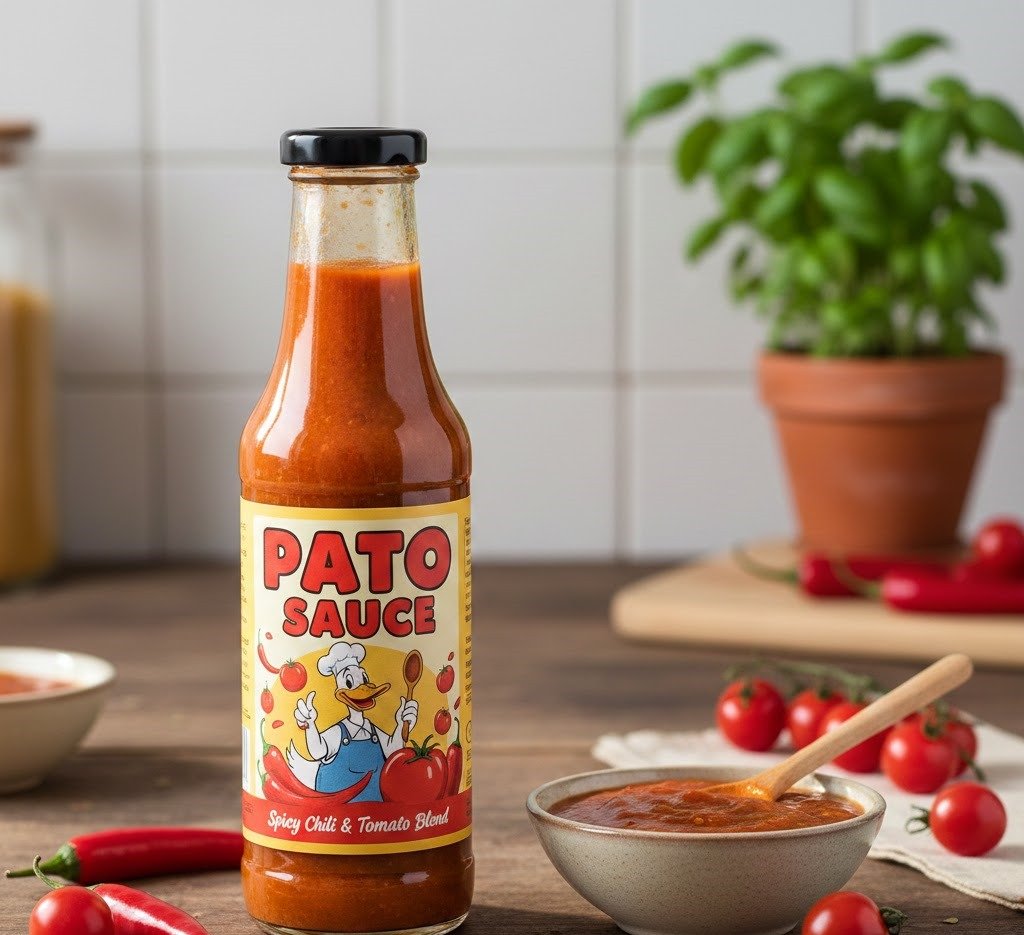
Hi, my name is Dipendra Kumar. I like cooking food for my family and brothers, I come and make my own model recipe.
I’ve used it in weeknight dinners, slow weekend cooking, and even quick breakfasts, and it never feels out of place.
What Pato Sauce Is and Why It Matters
Pato sauce is a seasoned tomato-based sauce with built-in heat, acidity, and spice.
Unlike plain tomato sauce, which is neutral and mild, this style of sauce already carries flavor from chiles, vinegar, and warm spices. That’s what makes it so dependable.
What I appreciate most is how balanced it feels. The heat is present but not aggressive. The acidity brightens food without making it sour.
The tomato flavor is deep instead of raw. This balance is why it works equally well in salsas, enchiladas, stews, marinades, rice, beans, and even fusion dishes.
Many home cooks don’t realize how often restaurant-style Mexican food relies on a seasoned tomato base like this.
It creates depth quickly and consistently, which is why it’s been trusted in kitchens for generations.
A Short Background on El Pato–Style Sauce
El Pato sauce became popular because it solved a problem cooks didn’t even realize they had.
It delivered spice, salt, and acidity in one can, without needing extra steps. That convenience didn’t replace tradition; it supported it.
In Mexican-American cooking, especially in California-style recipes, this sauce quietly became a pantry staple.
It showed up in stewed meats, salsas, enchiladas, and rice dishes. Over time, cooks learned how flexible it was, and that’s why its influence spread far beyond one region or one dish.
Making a homemade version keeps that spirit alive while giving you more control over flavor.
Homemade Pato Sauce Recipe Overview
This homemade version stays true to the original idea: simple ingredients, short cooking time, and bold but balanced flavor.
I like this recipe because it doesn’t require special equipment or hard-to-find spices. Everything comes together in one pan, and the result is a sauce you can use in dozens of ways.
Ingredients
| Amount | Ingredient | Notes |
|---|---|---|
| 28 oz | Tomato sauce | Smooth, plain tomato sauce |
| 2 tsp | Ground cumin | Adds warmth and depth |
| 2 tsp | Paprika | Smoked or regular |
| 1 tsp | Dried oregano | Mexican oregano preferred |
| 2 tsp | Chile powder | Adjust for heat level |
| 1 tsp | Garlic salt | Or garlic powder + salt |
| ½ tsp | Onion salt | Optional but helpful |
| 1 tsp | Vinegar | White or apple cider |
| ¼ tsp | Ground allspice | Optional warmth |
| ¼ tsp | Ground clove | Use lightly |
Equipment
| Quantity | Equipment | Notes |
|---|---|---|
| 1 | Medium saucepan | Heavy bottom works best |
| 1 | Whisk or wooden spoon | Prevents clumps |
| 1 | Measuring spoon set | For balance |
| 1 | Airtight glass jar | Storage |
| 1 | Heat-safe spatula | Optional |
Step-by-Step Instructions
Step 1:
Set the saucepan over medium heat and pour in the tomato sauce. Let it warm gently for about one minute.
Starting with warm sauce helps the spices blend smoothly instead of sinking or clumping.
Step 2:
Add the cumin, paprika, oregano, chile powder, garlic salt, onion salt, allspice, and clove. Sprinkle the spices in gradually while whisking continuously.
I’ve learned that rushing this step creates uneven flavor, so slow and steady really matters here.
Step 3:
Reduce the heat to low once everything is mixed. Let the sauce simmer gently for 8 to 10 minutes, stirring every minute or so.
This short simmer is where the magic happens. The spices bloom, the tomato flavor deepens, and the sauce becomes more cohesive.
Step 4:
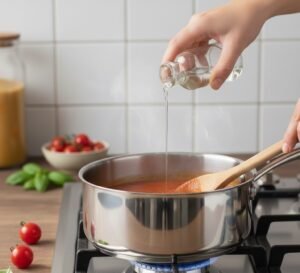
Add the vinegar during the final two minutes of simmering. This keeps the acidity bright instead of sharp. Stir well and let it simmer until finished.
Step 5:
Remove the pan from the heat and let the sauce cool slightly. Taste it once it’s no longer steaming hot.
This is the best moment to adjust salt or spice if needed, because hot sauce can mask subtle flavors.
Texture and Flavor Adjustments
One of the reasons I enjoy making this sauce myself is that it’s easy to customize.
If you want a thicker sauce, simply let it simmer uncovered for a few extra minutes. The moisture will reduce naturally, and the flavor will concentrate.
If you prefer a thinner sauce, add small splashes of water or broth while stirring until it reaches the consistency you like.
For heat control, reduce the chile powder for a milder version or add chile de árbol powder or cayenne for more intensity.
I always recommend adjusting gradually, because the heat builds as the sauce rests.
How This Sauce Fits Into Everyday Cooking
This sauce earns its place in the kitchen because it doesn’t lock you into one type of recipe. I use it differently depending on the meal and the mood.
For tacos and burritos, I spoon it directly over cooked meat, beans, or vegetables. It adds moisture and seasoning without drowning the filling.
For enchiladas, I thin it slightly with broth and simmer it again for a few minutes. It coats tortillas evenly and bakes well without separating.
When making salsa, I blend it with fresh tomatoes, cilantro, onions, and lime juice. The result is smooth, balanced, and very close to what you’d expect from a restaurant.
As a marinade, it works beautifully when mixed with oil and citrus juice. Chicken, beef, and pork all absorb their flavor, especially when grilled or braised.
For rice and beans, a few spoonfuls stirred in while cooking add richness and color. It’s one of my favorite ways to upgrade simple side dishes.
Even for breakfast, this sauce shines. I use it over eggs, in breakfast burritos, or spooned onto potatoes. The acidity cuts through richness and keeps things from feeling heavy.
Storage and Make-Ahead Notes
This sauce is ideal for make-ahead cooking. Once cooled, store it in an airtight glass container in the refrigerator. It stays fresh for up to 7 days, and the flavor often improves after resting overnight.
For longer storage, freeze it in small portions. It keeps well for up to 3 months. I prefer freezing in smaller containers, so I only thaw what I need.
When reheating, use low heat and stir often. If the sauce thickens during storage, a splash of water brings it right back to life.
Nutrition Information (Per Serving)
- Approximately 25 calories
- 0 g fat
- 5 g carbohydrates
- 3 g natural sugars
- 1 g protein
- 1 g fiber
- Sodium varies based on seasoning choices
Values are approximate and depend on the exact ingredients used.
Why This Sauce Deserves a Spot in Your Kitchen
What makes this sauce special isn’t just its flavor, but how reliable it is. It saves time, reduces guesswork, and still feels homemade.
I like that I can make a batch, store it, and pull it out when dinner needs help.
It’s not flashy cooking, and that’s exactly the point. It supports the food instead of overpowering it.
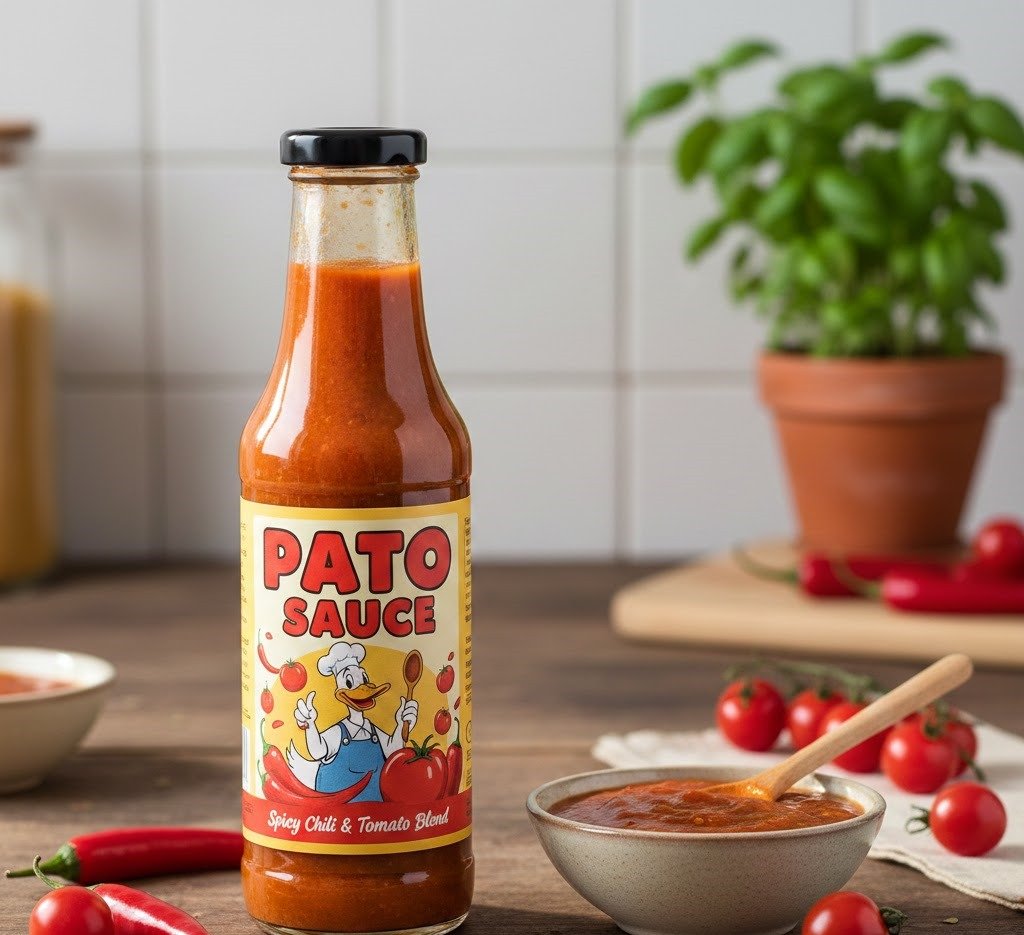
Pato Sauce Recipe
Ingredients
Equipment
Method
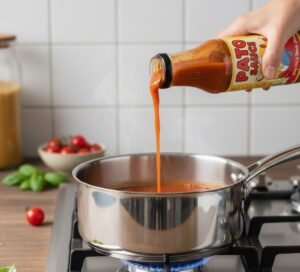
- I place the saucepan over medium heat and pour in the tomato sauce. I let it warm gently for about one minute so the spices blend smoothly later.
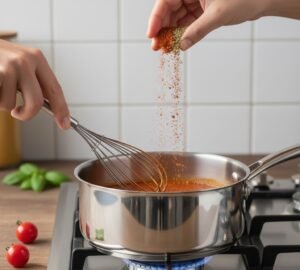
- I slowly add the cumin, paprika, oregano, chile powder, garlic salt, onion salt, allspice, and clove while whisking continuously. I don’t rush this part because even mixing really matters.
- I reduce the heat to low and let the sauce simmer gently for 8 to 10 minutes, stirring every minute. This helps the spices bloom and deepen the flavor.
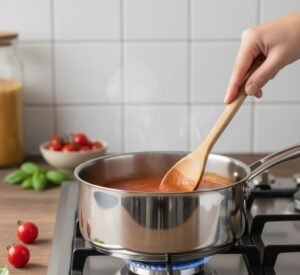
- I stir in the vinegar during the final two minutes of simmering. This keeps the acidity bright instead of sharp.
- I remove the pan from the heat and let the sauce cool slightly. Once it’s warm, not hot, I taste and adjust seasoning if needed.

Notes
If it thickens in the fridge, I just add a splash of water when reheating.
For more heat, I add a pinch of cayenne or chile de árbol powder, but I always go slow.
FAQs:-
What does Pato sauce taste like?
Pato sauce tastes mildly spicy, tangy, and savory. It has a smooth tomato base with warm chile flavor and balanced acidity.
What is Pato sauce made of?
Pato sauce is made from tomato sauce, red chiles, vinegar, and warm spices like cumin and oregano. It’s a seasoned tomato base with built-in heat and acidity.
Is Pato sauce the same as enchilada sauce?
No, but it’s often used as a base for enchilada sauce. Pato sauce is thinner and simpler, while enchilada sauce is usually simmered longer and sometimes thickened.
How spicy is Pato sauce?
Pato sauce is moderately spicy. It has noticeable heat but isn’t overwhelming, making it suitable for most people. The spice level can be adjusted easily.
Can I make Pato sauce at home?
Yes, you can make a homemade version using tomato sauce, chile powder, vinegar, and spices. A short simmer brings the flavors together.
Conclusion
Making a Pato-style sauce at home is simple, practical, and surprisingly satisfying. I like knowing I can adjust it to suit my taste, my family, or the dish I’m making.
Once you start using a sauce like this regularly, it becomes second nature, and everyday meals start tasting more intentional without adding stress.





1 thought on “Pato Sauce Recipe”