Welcome, today I’m diving into something that honestly feels like a warm, golden hug from ancient times — My Pharaoh Sauce Recipes.
Before we get into the story and all the warm talk, here’s your quick recipe overview because I know, as bloggers, we always like to give our readers the essentials up top.
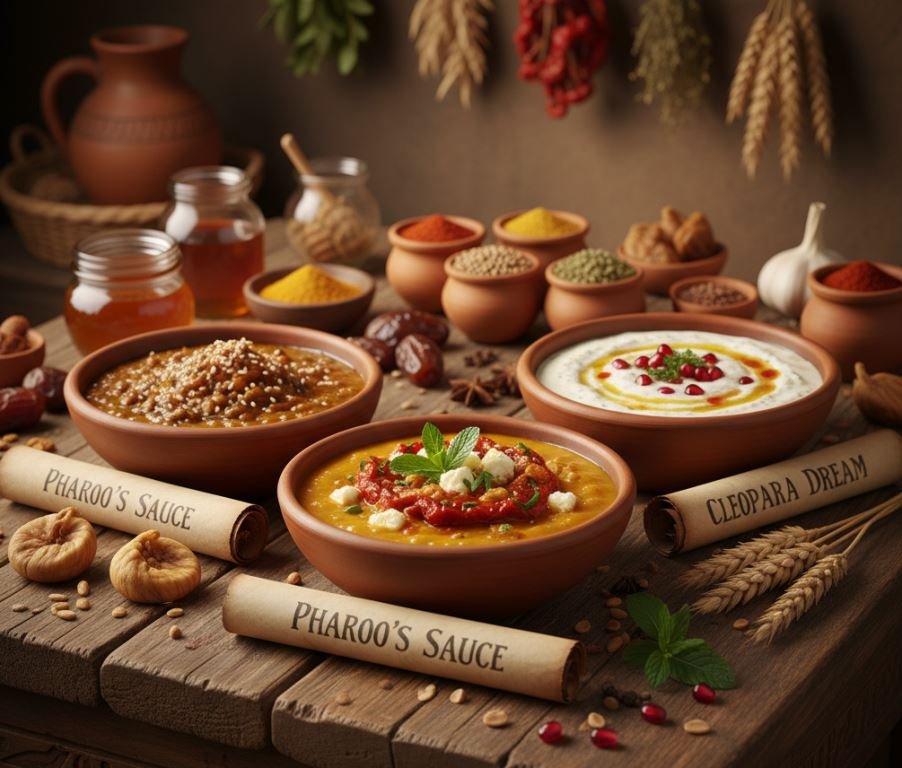
Now, let me take you into the heart of this amazing sauce.
When I first tried Pharaoh Sauce, it totally surprised me. I expected something bold, but I didn’t expect something that tasted like it had traveled thousands of years just to land on my fries.
That’s what this sauce does — the garlic hits first, then the lemon sneaks in, the smoky paprika warms everything up, and the little whisper of honey or molasses softens the edges.
It’s creamy, it’s balanced, it’s bright, and it basically makes everything better… fries, shawarma, grilled chicken, burgers, roasted veggies — seriously, everything.
Pharaoh Sauce has two personalities that I love exploring in my kitchen. One is the creamy modern version that feels like a cousin of aioli but with Egyptian soul.
The other is the rustic, spice-forward version inspired by ancient techniques — toasted cumin, coriander, and garlic simmered gently in olive oil.
So in this article, I kind of play with both. Think of it as a little bridge from ancient cooking to our modern plates.
But let me walk you through everything the way I usually would for my readers — warmly and slowly, like we’re cooking together.
Ingredients (Creamy Pharaoh Sauce Version)
| Ingredient | Amount | Notes |
|---|---|---|
| Mayonnaise | ½ cup | Only if the sauce feels too thick |
| Extra-virgin olive oil | 2 tbsp | Adds richness |
| Garlic | 2 cloves, minced | Fresh garlic gives the big punch |
| Dijon mustard | 1 tbsp | Helps emulsify |
| Lemon juice | 1 tbsp | Adds tang |
| Smoked paprika | 1 tsp | Key to that smoky note |
| Honey or maple syrup | 1 tsp | Balances acidity |
| Ground cumin (optional) | ½ tsp | Adds Egyptian warmth |
| Salt & black pepper | To taste | I start light |
| Cayenne or chili flakes (optional) | Pinch | For heat |
| Water | 1–2 tsp | Only if sauce feels too thick |
Equipment

• 1 Mixing bowl
• 1 Whisk or hand blender (I honestly love my small whisk here)
• 1 Garlic press or fine grater
• Measuring spoons and cups
• 1 Rubber spatula
• 1 Airtight container (glass if possible)
How to Make Pharaoh Sauce: Creamy Modern Version
Step 1
I always begin by bringing the mayo or yogurt to room temperature. Cold ingredients fight you and sometimes cause the sauce to seem grainy. Then I mince the garlic super fine — sometimes I grate it because that gives the most even flavor in every spoonful.
Step 2
I whisk together the mayonnaise and olive oil until the mixture looks smooth and slightly glossy. This is the base, so I take my time here because the better the emulsion, the better the final sauce.
Step 3
Now I stir in the garlic, Dijon mustard, lemon juice, and honey. This is the moment when everything wakes up — mustard brings sharpness, lemon brightens, and honey softens the sharp edges.
Step 4
I sprinkle in smoked paprika, cumin, and a little salt and pepper. I taste right away and adjust. Sometimes I need just a tiny squeeze more lemon, and sometimes I add the littlest pinch of honey again if the acidity jumps forward too much.
Step 5
I check the texture. Pharaoh Sauce should be rich but still “flow.” If it’s too thick, I whisk in 1 teaspoon of water. Don’t add too much at once — it can go thin on you fast.
Step 6
For that restaurant-smooth feel, I blend it for about 10 seconds. It mellows the garlic a bit and helps the flavors come together.
Step 7
I always rest this sauce. Resting is honestly the secret. I cover it and refrigerate it for at least 30 minutes. Overnight is even better because the garlic and smoky paprika start dancing beautifully together.
Step 8
Serve it chilled. Store it in a glass jar in the fridge for up to 7 days. Every time you use it, give it a quick stir because the olive oil sometimes likes to separate slightly.
Pharaoh Sauce Recipe: Ancient Egyptian-Inspired Spice Version
Now let me walk you into the second version — the warm, deep, earthy one inspired by older Egyptian spice methods.
This one isn’t creamy. It’s bold and aromatic, almost like a marinade-meets-sauce. I love using it on chicken and grilled veggies.
| Ingredient | Amount | Notes |
|---|---|---|
| Cumin seeds | 2 tbsp | Toast for aroma |
| Coriander seeds | 1.5 tbsp | Adds citrusy notes |
| Garlic | 4 cloves minced | Strong, bold |
| Extra-virgin olive oil | ¼ cup | Forms the base |
| Chili flakes | ½ tsp | Adjust heat |
| Lemon juice | 1 tbsp | For acidity |
| Fenugreek powder | 1 tsp | Adds ancient warmth and slight bitterness |
| Sumac | ½ tsp | Tangy, bright |
| Salt | To taste | Enhances everything |
Step 1
I start by toasting the cumin and coriander seeds in a dry pan until the aroma rises. It usually takes two or three minutes. This step honestly transforms the sauce.
Step 2
I grind the toasted seeds into a fine, fragrant powder using a mortar and pestle. Sometimes I use a spice grinder if I’m tired, but hand-grinding feels more authentic.
Step 3
In a bowl, I mix garlic, olive oil, chili flakes, lemon juice, fenugreek, and sumac. The smell at this stage already feels ancient and beautiful.
Step 4
I add the ground spices and stir everything together slowly until it looks unified and rich.
Step 5
Then I warm the mixture gently on medium-low heat for about 10 minutes. This softens the garlic and helps the flavors merge. I never boil it because boiling makes spices bitter.
Step 6
I cool it completely before storing. This version stays fresh for about two weeks in the refrigerator.
Pharaoh Sauce Recipes
Ingredients
Equipment
Method
- Bring the mayo or yogurt to room temperature so the sauce doesn’t turn grainy. Then mince or grate the garlic very fine for smooth flavor.
- Phir whisk the mayonnaise and olive oil together until the mixture looks smooth and glossy. This forms the base of the sauce.
- Phir add the garlic, Dijon mustard, lemon juice, and honey. Mix everything until it blends well.
- Phir smoked paprika, cumin, salt, and pepper add karo. Taste and adjust seasoning if needed.
- Phir texture check karo. If the sauce feels too thick, add 1 teaspoon water and whisk again until it flows smoothly.
- Phir the sauce ko around 10 seconds blend karo for a super silky, restaurant-style texture.
- Phir cover karke sauce ko 30 minutes fridge me rest karne do. Resting se flavors perfect ho jate hain.
- Phir chilled serve karo. Store it in a glass jar for up to 7 days and stir before using.
Notes
Add a little harissa or more chili flakes for heat.
Vegan version: Use vegan mayo + agave.
If the sauce separates, whisk in a tiny splash of cold water to fix it.
Serving Ideas
I pour Pharaoh Sauce on shawarma, and it feels like it was destined to be there. I love it with fries, roasted eggplant, grilled chicken, lamb chops, shrimp, burgers, and, honestly, even in grain bowls. The ancient-style version is incredible as a marinade.
FAQs
What does Pharaoh Sauce taste like?
For me, it tastes creamy, tangy, smoky, and warm — the garlic comes through beautifully, and the paprika gives it that special Egyptian accent.
Can I make it spicy?
Yes, I usually add cayenne or chili flakes. Some days I even swirl in a teaspoon of harissa when I’m feeling wild.
Can it be vegan?
Totally. Use vegan mayonnaise and replace honey with maple syrup or agave.
How long does it keep?
The creamy version stays good for about 7 days. The spice-heavy ancient one lasts up to 2 weeks.
Why does resting the sauce matter?
Because the flavors soften and blend, it honestly tastes twice as good after resting.
Conclusion
So this was my little dive into Pharaoh Sauce Recipes, blending the creamy modern magic with the rustic, ancient-inspired version.
Every time I make these, I feel like I’m reaching into both history and comfort at the same time. I hope you try both versions because they each bring something special to the table.
If you ever play with spices or find your own twist, tell me — I seriously love hearing about those little kitchen discoveries. till then, happy cooking and keep your whisk close, always.
Read More:- Vietnamese Ham Recipes