
If you’ve ever walked through the streets of Vietnam on a hot, humid afternoon, you probably know that nothing hits the spot quite like a cold glass of nước rau má—also known as pennywort juice.
This simple, vibrant green drink has been a staple in Vietnamese homes and street stalls for generations.
Growing up, I remember hearing street vendors shouting, “Ai uống rau má không?!” (Who wants pennywort juice?!).
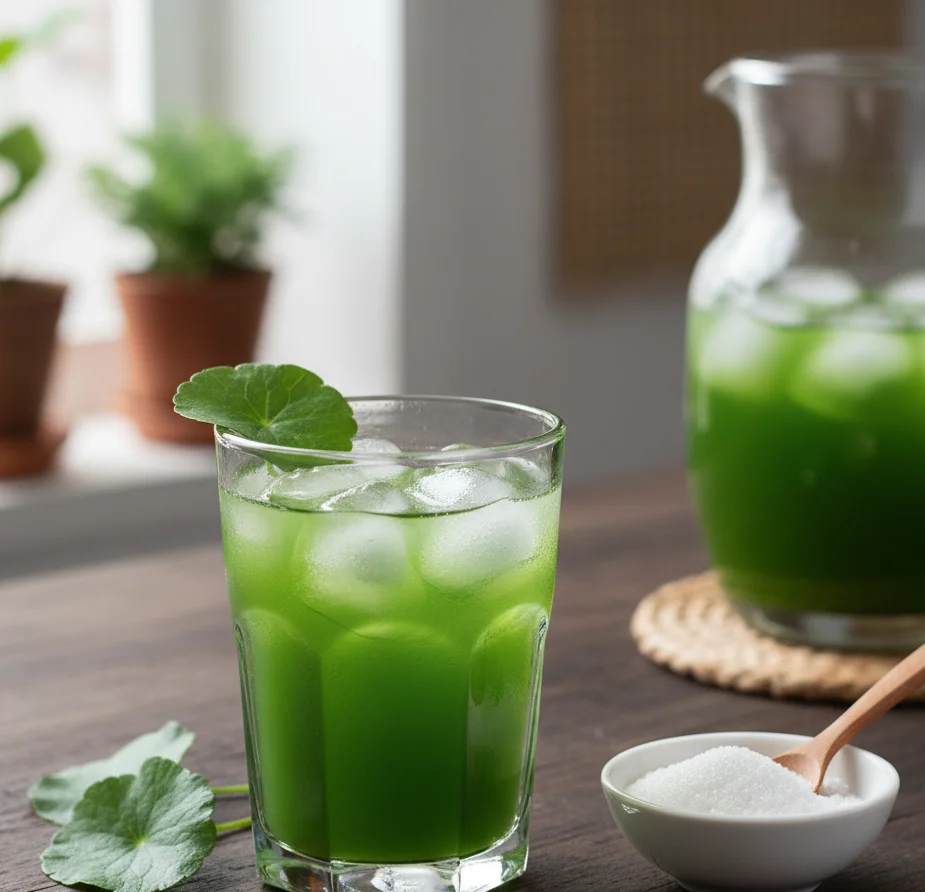
I’d run over with a few coins in hand, waiting for that earthy, cooling drink that seemed to wash away all the heat and tiredness of the day.
Today, I’m sharing with you how I make rau má at home—just like my family used to—but also with a few modern tips I’ve picked up along the way.
This drink isn’t just refreshing; it’s packed with vitamins, minerals, and lots of nostalgic comfort.
Hi, my name is Dipendra Kumar. I am a chef, I like cooking food, and these my talk. You are a very talented chef, but why are you not able to viral on social media? That’s why I like to write an article on Google
What is Rau Má?
Rau má (pennywort) is a creeping herb native to many parts of Asia. It has round, coin-like leaves and a mildly grassy, earthy taste that reminds me a bit of spinach mixed with parsley.
Rau Maa is like a sherbet that people should drink. The taste of Quickie Rau is a little salty and has a minty taste.
Scientifically, it’s known as Centella Asiatica or sometimes Gotu Kola in India. In Vietnamese households, rau má is often used not only as a drink but also as a cooling herb in soups and traditional remedies.
In Asian medicine, pennywort is believed to have cooling properties—it helps balance the body’s internal heat.
It’s also said to support digestion, improve circulation, and promote healthy skin. Now, I’m not a doctor, but I can say that every time I drink rau má, I genuinely feel lighter and refreshed.
Why You’ll Love This Drink
If you’re new to pennywort juice, you might be skeptical. Green drinks don’t always have the best reputation!
But rau má is surprisingly mild compared to things like wheatgrass or kale juice. It has a soft herbal aroma and a flavor that’s fresh but not bitter.
You can sweeten it up with sugar, honey, or even coconut milk if you want a richer, dessert-like twist.
Here’s why I personally love this recipe:
- It’s easy. No cooking, no fancy equipment. Just a blender and a strainer.
- It’s refreshing. Perfect for hot days when you don’t want anything heavy.
- It’s healthy. Low in calories, high in nutrients like Vitamin B, K, calcium, and magnesium.
- It’s nostalgic. One sip, and I’m right back on the streets of Saigon with a paper cup of rau má in hand.
Ingredients You’ll Need
For the most basic and traditional version, you only need three main ingredients:
- ½ lb fresh pennywort (rau má)
- 8 cups of drinking water
- ¼ cup sugar (or to taste)
That’s it! But trust me, even with just these three, the drink is wonderfully refreshing.
If you want to get creative, you can also try the mung bean and coconut milk variation, which I’ll talk about later. That version is a little richer and feels more like a treat.
Step-by-Step: How to Make Vietnamese Rau Má

Step 1: Wash the pennywort thoroughly
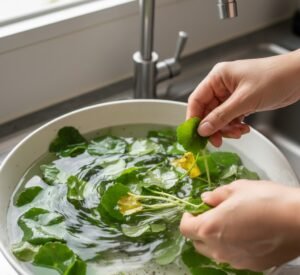
This part is really important because pennywort tends to trap dirt easily. I usually fill up my sink with cold water, add the leaves, and gently swirl them around.
You might have to wash them two or three times until the water runs clear. If you bought it from an Asian market, make sure to pick out any wilted or yellow leaves.
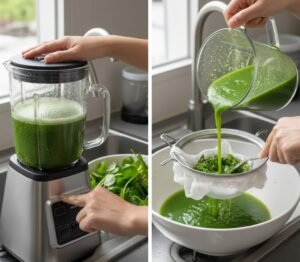
Step 2: Blend the leaves
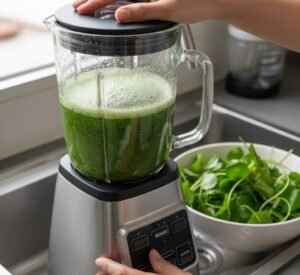
Take about half of the cleaned pennywort and put it in your blender. Add 4 cups of water. Blend on medium speed for about 1 minute.
If you’re using a powerful blender like a Vitamix, don’t go too high on the speed, or you’ll get a lot of foam. You just want the leaves to break down completely.
Step 3: Strain the juice
Pour the blended mixture through a fine sieve or cheesecloth into a bowl. Use a spoon or spatula to press down the pulp and squeeze out as much juice as possible.
Discard the pulp afterward. Repeat the process for the second batch with the rest of your pennywort and water.
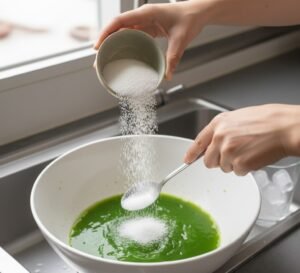
Step 4: Sweeten it up
Now, stir in the sugar while the juice is still fresh. You can adjust the amount depending on your taste. Some people prefer it unsweetened, but I think a little sugar helps balance the earthy flavor perfectly.
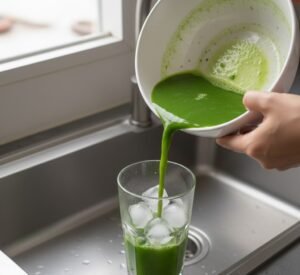
Step 5: Serve chilled
Pour the rau má over ice and enjoy right away. It’s best served cold. The bright green color and cooling taste make it the perfect afternoon refreshment.
Rau Má Recipe
Ingredients
Equipment
Method
- I soak it in a big bowl or my sink and swirl it around. Pennywort carries quite a bit of dirt sometimes, so I wash it 2–3 times until the water looks clean. Toss out any yellow or sad-looking leaves.
- Add half of the pennywort into the blender with 4 cups of water. Blend on medium speed until the leaves look fully broken down but not super foamy. If you blend too hard, it gets too much bubbles on top.
- Pour the blended mixture through a fine strainer or cheesecloth into a bowl. Press or squeeze the pulp to get every drop out. Discard the leftover pulp.
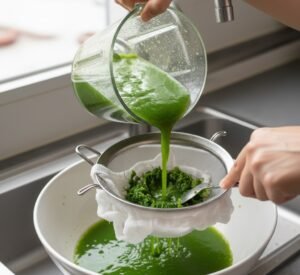
- Blend the remaining pennywort with the other 4 cups of water, then strain again.
- Stir in the sugar while the juice is fresh. Adjust depending on how sweet you like your drinks. Some days I add more, some days less.
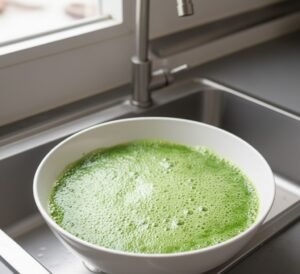
- This helps the foamy bubbles settle a bit. Not required, but I kinda like doing it.
- Rau má tastes best chilled. Pour over ice cubes and drink right away. So refreshing.
Notes
- I always try to use pennywort within a day or two because it wilts quick.
- You can swap sugar for honey or any other natural sweetener.
- If you want a creamier dessert version, try adding mung bean paste or a splash of coconut milk (so good, but changes the vibe completely).
- Store leftovers in a jar in the fridge for up to 2–3 days. It loses some freshness after that.
Tips for Making the Best Rau Má
- Use fresh pennywort: The leaves should look firm and green, not wilted. Pennywort doesn’t last long, so try to juice it within a day or two after buying.
- Keep it clean: The leaves can be pretty dirty. Washing them well is key to avoiding any gritty texture.
- Storage: If you have leftovers, store them in airtight jars in the fridge for up to 3 days. After that, it starts to lose its freshness and nutrients. You can also freeze the juice for up to 3 months.
- Adjust the texture: If you prefer thicker juice, use less water. For a lighter version, add more water or ice.
- Alternative sweeteners: Try honey, agave, or even a little coconut syrup for different flavor notes.
Optional: Pennywort with Mung Bean and Coconut Milk (Rau Má Đậu Xanh Nước Dừa)
Now, if you want to take this simple drink up a notch, you’ve got to try the mung bean and coconut milk version. It’s a richer, creamier take on the traditional rau má, and honestly, it’s one of my favorite summer treats.
Here’s how you can make it:
Ingredients
- 200g fresh pennywort leaves and stems
- 2 cups water
- 1 tablespoon sugar (for the juice)
- ¼ cup yellow mung beans (peeled and dried)
- 1 cup water (for cooking mung beans)
- ½ cup coconut milk
- 1 teaspoon sugar (for coconut milk)
- A pinch of salt
- Crushed ice for serving
Steps
- Prepare the pennywort juice: Wash and blend the leaves with water just like the basic recipe. Strain and set aside.
- Cook the mung beans: Rinse the beans until the water runs clear. Boil them in water until soft, then add a little sugar and salt. Blend until smooth.
- Make the sweet coconut milk: Heat the coconut milk in a small saucepan, add sugar, and stir until dissolved. Let it cool.
- Assemble the drink: In a tall glass, add a layer of mung bean paste, then pour in the pennywort juice. Top it off with a drizzle of sweet coconut milk and crushed ice. Stir lightly before drinking.
The combination of creamy mung bean, herbal pennywort, and rich coconut milk is just divine. It’s sweet, nutty, and refreshing all at once.
The Taste of Tradition
Every time I make rau má, I can’t help but feel a bit nostalgic. This drink isn’t just about the taste—it’s about memories.
It reminds me of my grandmother’s kitchen, where she’d make a batch every Sunday morning, blending the herbs by hand and straining them through a cheesecloth.
The kitchen would smell earthy and fresh, and we’d sip our drinks while the cicadas buzzed outside.
Even now, living far from Vietnam, making this drink connects me back to those roots. It’s amazing how something so simple—just leaves, water, and sugar—can hold so much comfort.
Health Benefits of Pennywort
Apart from being delicious, rau má is incredibly nutritious. It’s rich in:
- Vitamin B and K – great for energy and blood health
- Calcium and magnesium – support bone strength
- Zinc – helps with skin and immune health
- Antioxidants – promote detoxification and overall wellness
In traditional Vietnamese households, people believe drinking rau má regularly can help reduce body heat, clear acne, and even aid digestion.
Again, I can’t say for sure about all the science behind it, but after a long day in the sun, a cold glass of rau má truly feels like medicine.
Final Thoughts
Whether you drink it plain, sweetened, or mixed with mung beans and coconut milk, rau má is one of those timeless Vietnamese drinks that never go out of style.
It’s easy to make, full of nutrients, and just plain refreshing. If you’ve never tried it before, give it a go—you might be surprised how much you love it.
I’ve been making this recipe for years, and every single time, I still enjoy that first sip. Maybe it’s nostalgia, maybe it’s just the taste—but either way, it’s always worth it.
So next time you spot pennywort at your local Asian market, grab a bag, head home, and blend up a batch of Vietnamese pennywort juice (nước rau má). It’s simple, soothing, and an instant trip back to the heart of Vietnam.
FAQs:-
What does rau má taste like?
Rau má has a mild, earthy, and slightly grassy flavor—less bitter than spinach or kale, with a refreshing herbal note.
Is pennywort juice good for health?
Yes, it’s packed with vitamins B and K, magnesium, zinc, and antioxidants. It’s believed to help cool the body, aid digestion, and support skin health.
How long can I store rau má juice?
Fresh rau má juice can be stored in the refrigerator for up to 3 days, or frozen for up to 3 months.
Can I make rau má without sugar?
Absolutely. You can skip the sugar or replace it with honey, agave, or any natural sweetener you prefer.
What can I mix with pennywort juice?
You can blend it with mung beans for creaminess or top it with coconut milk for a richer, dessert-like version.
Read More:-





1 thought on “Rau Ma Recipe”