
Shrimp tempura is one of those dishes that always makes me feel like I’m eating at a good Japanese restaurant — the shrimp are sweet and tender, and the batter is light, flaky, and somehow unbelievably airy.
Over the years, I’ve tried different methods and tweaks; here’s the version I make most often at home. It’s simple, dependable, and produces that signature temple-like crunch without weighing you down.
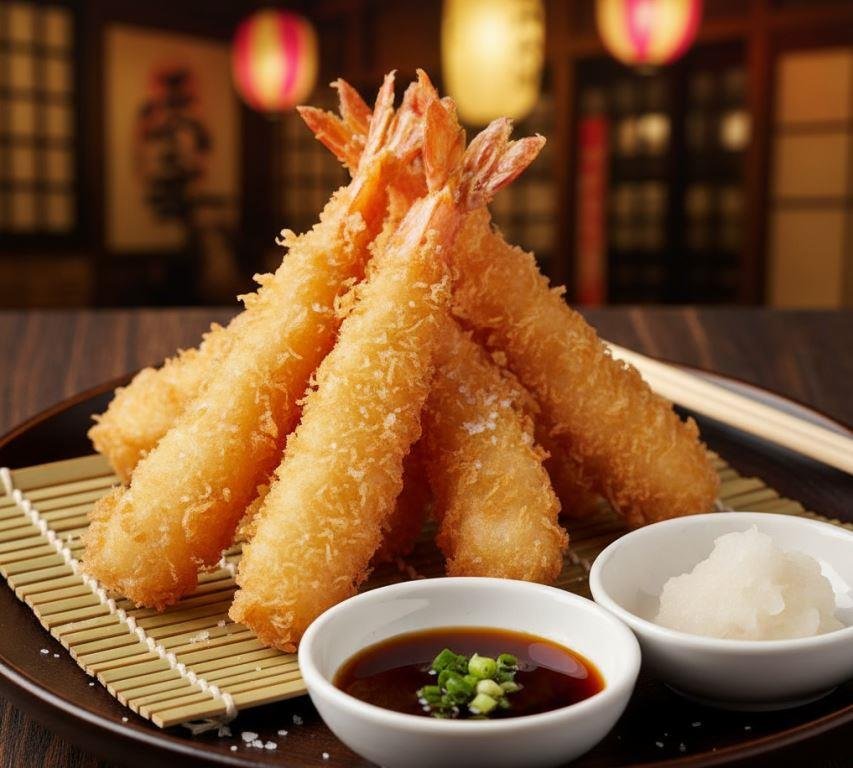
I’ll give you the classic wet tempura batter (my preferred method for that delicate, bubbly texture) plus a quick note on the panko-coated “ebi fry” alternative if you want extra staying-power for reheating.
I also include the dipping sauce I always make — because tempura without the sauce is like a movie without the soundtrack.
Hi My Name Is Dipendra Kumar. I am a chef. I like cooking food, I cook food for my passion, and relative eat foot and call you are a pro chef why you not on social media, then i why am a not on socail media , the ten i write articles on Google.
Why this works (the small science)
A few things separate great tempura from just “fried shrimp”:
- Cold batter — ice cold water slows gluten development in the flour, so the batter doesn’t get chewy. Cold batter = light, flaky crust.
- Low-protein flour + cornstarch — less gluten potential; the cornstarch helps crispness.
- Minimal mixing — overmixing develops gluten. Leave small lumps. That’s ok.
- Quick fry at high heat (around 350–375°F) — cooks shrimp quickly and makes the batter puff and crisp.
- Prep the shrimp so they stay straight — small slits and a gentle press along the back keep them from curling.
I’ll show you the exact steps I use — nothing fancy, just practical.
Ingredients (serves 4 — about 20 shrimp)
Shrimp
- 20–25 large shrimp (21/25 count is my favorite), peeled and deveined, tails left on
- Flour for light dredging
Tempura batter (classic wet)
- 1 cup all-purpose flour (or cake flour if you want even lighter results)
- 1/4 cup cornstarch
- 1 egg
- 1 1/4 cups ice-cold water (the colder the better — keep it on ice)
Frying
- Neutral oil for frying (canola, vegetable, sunflower) — enough for 1.5–2″ depth in a pot
- Thermometer (very helpful)
Tempura dipping sauce (tentsuyu)
- 3/4 cup water
- 1/2 tablespoon dashi powder (or 1/2 cup dashi if you make it fresh)
- 3 tablespoons soy sauce
- 2 tablespoons mirin
- 1/2 teaspoon sugar
- Optional: 1 tablespoon grated daikon and 1 tablespoon chopped scallion, added before serving
Optional: Panko Ebi Fry (crispier, holds up better to reheating)
If you want a heavier crunch (like everyone loves at fairs or some restaurants), do this instead:
- After drying and prepping shrimp, dredge in flour, dip in beaten egg, then coat in panko breadcrumbs. Deep fry as below. This is technically more of an ebi fry than tempura, but it’s delicious and easier to get long-lasting crispness.
Prep: How I get shrimp straight (very important)
- Rinse and pat shrimp dry. Leave the tails on. I like the presentation, and the tail is tasty when crisped.
- With the shrimp belly side up, make 4–6 shallow slits along the underside (don’t cut all the way through). These little cuts prevent the shrimp from curling.
- Flip the shrimp over, place it flat, and using your index finger, press down along the back toward the tail to “break” the muscle slightly — you’ll hear faint pops. That straightens the shrimp. Do this gently but firmly.
- Lightly trim the tail tip if it looks ragged.
If you skip these steps, the shrimp will curl and you’ll lose that elegant, long tempura shape. I used to ignore it, and now I never do.
Make the batter
- Put a bowl over a bed of ice — the colder the bowl, the better. Crack the egg into a small bowl and whisk it with the ice-cold water.
- In a separate bowl, whisk together the flour and cornstarch.
- Pour the egg/water into the dry mix and stir lightly with chopsticks or a whisk just until combined. Don’t overmix — a few lumps are fine. Stop when it looks like everything is hydrated and still fairly runny.
- Keep the batter bowl on ice while frying. If it warms up, the texture changes.
Tip: You can use store-bought tempura flour (follow the package ratio) — it’s a great shortcut and consistent.
Frying technique (my preferred method)
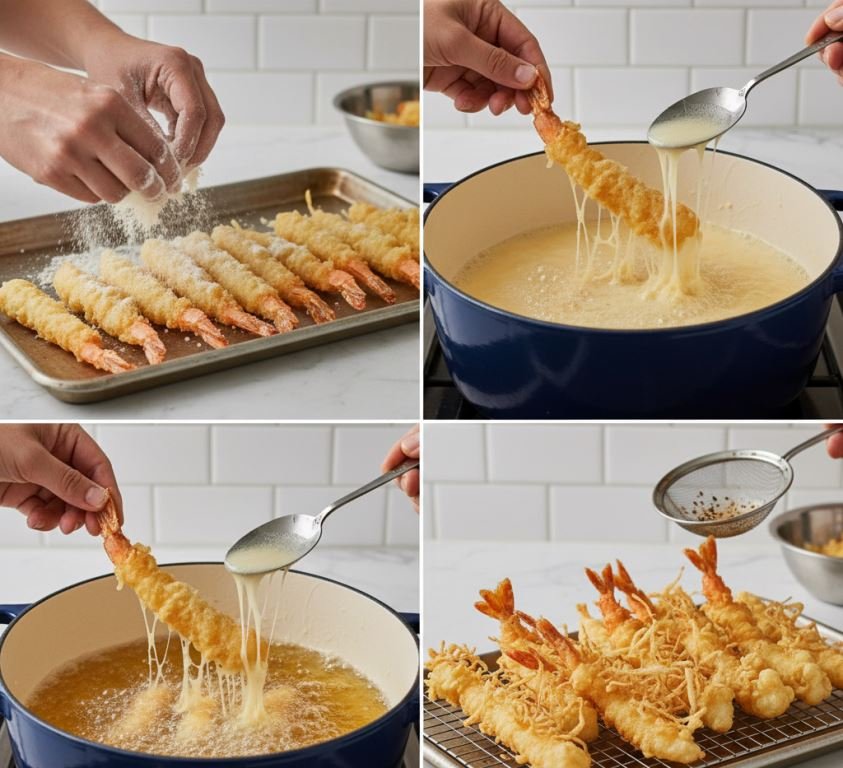
- Heat 1.5–2″ oil in a deep pot or Dutch oven. Bring it to about 375°F. I prefer 365–375°F; if it’s too cool, the batter will soak oil and get heavy, too hot, and the outside burns beforethe shrimp cooks.
- Lightly dust each prepared shrimp with flour and shake off excess — the flour helps the batter stick.
- Hold the shrimp by the tail, dip into the cold batter, and let excess drip off. Carefully lower into the oil. I fry 3–4 at a time, depending on pot size — don’t overcrowd.
- Optional: while the shrimp is in the oil, use a spoon to drizzle a zigzag of batter along the length of the shrimp. That creates the airy, lacy bits that make tempura so pretty. Some of this batter will float away, some will cling and bubble up — that’s fine.
- Fry about 1.5–2.5 minutes until golden and puffed. Shrimp cook fast; keep an eye.
- Remove to a wire rack or paper towels to drain. If you use a rack, the underside stays crisper than a paper towel.
- Between batches, skim out floating bits of batter so the oil stays clean.
Serve hot with dipping sauce.
Tempura dipping sauce (tentsuyu)
- Combine water, dashi powder, soy sauce, mirin, and sugar in a small saucepan.
- Bring to a boil, then simmer 1–2 minutes. Turn off the heat and let it cool a bit.
- Just before serving, add grated daikon and chopped scallion if you like. I usually spoon the grated daikon into the sauce on each plate.
Serving suggestions
- Serve immediately with tentsuyu and lemon wedges.
- Great as an appetizer, or with steamed rice and pickles as a main.
- Use in a shrimp tempura roll for homemade sushi, or on top of udon or miso noodle soup.
- If you want spicy, try a drizzle of sriracha aioli on the side.
Storage & reheating
Tempura is best fresh — crispy right out of the oil. But if you have leftovers:
- Store in an airtight container in the fridge up to 2 days.
- Reheat in a 375°F oven or air fryer for a few minutes—this helps recover some crispness. Panko versions reheat better than wet batter versions.
Pro tip: if you want to freeze cooked tempura, flash freeze on a tray for an hour, then transfer to a bag. Reheat from frozen in the oven/air fryer.
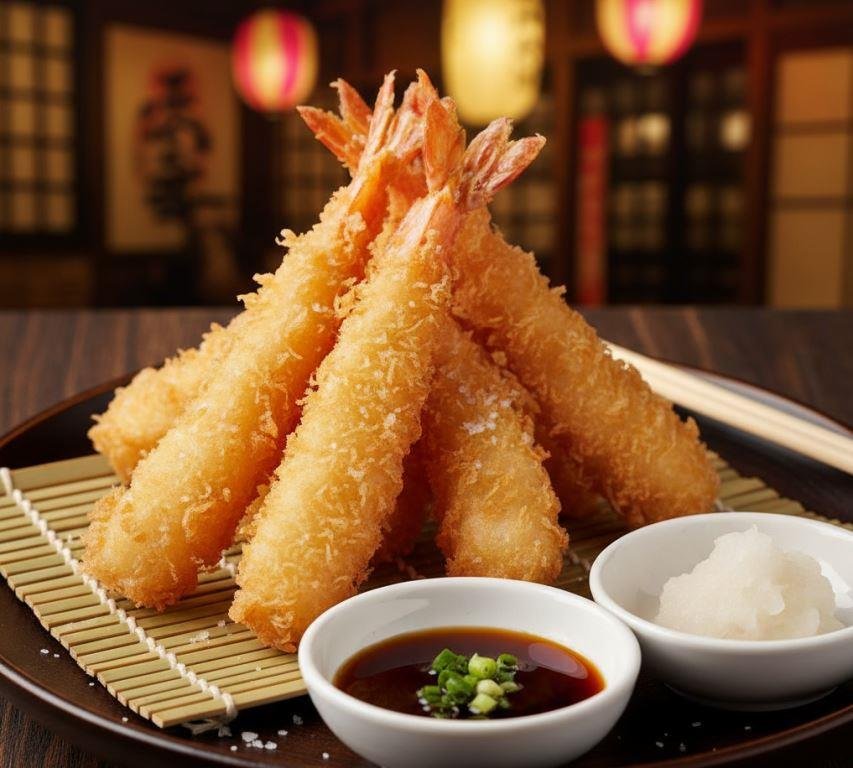
Shrimp Tempura
Ingredients
Equipment
Method
- Rinse the shrimp and pat them dry really well. Flip them belly-side up and make about 4–6 tiny slits so they don’t curl. Turn them over and gently press along the back with your finger until they straighten.
- In a small bowl, whisk the egg with the ice-cold water. In another bowl mix the flour and cornstarch. Pour the wet mix into the dry and stir lightly. I don’t overmix it—little lumps are totally fine.
- Heat about 1.5–2 inches of oil in a heavy pot to around 375°F. I try to keep the temp steady so the batter gets crispy instead of soggy.
- Lightly coat each shrimp in flour and shake off any extra. This helps the batter stick better.
- Hold the shrimp by the tail, dip it in the batter, let extra drip off, then gently lower it into the oil. Fry 3–4 at a time so the temp doesn’t drop. Cook until golden, about 2 minutes.
- I sometimes drizzle a little extra batter over the top of the frying shrimp to make those pretty crispy frilly edges. It’s easy and makes them look restaurant-style.
- Set shrimp on a wire rack or paper towels to drain. Serve hot because tempura waits for nobody.
- Combine water, dashi, soy sauce, mirin, and sugar in a small pot. Bring to a quick boil and simmer 1–2 minutes. Add daikon or scallions right before serving.
Notes
Common mistakes and how I avoid them
- Batter too warm — keep it on ice. Warm batter = heavy crust.
- Overmixing — mix just until combined. Lumps are okay.
- Oil temperature drops — fry in small batches and make sure your pot holds heat (cast iron helps). Use a thermometer.
- Shrimp curl — do the slits and the press along the back. Works every time.
- Overcrowding — tempura needs space for oil to circulate.
Quick alternative: the Panko route
If you want a sturdier coating or you’re worried about sogginess, use the flour → egg → panko sequence.
It’s technically not traditional tempura, but it’s popular, delicious, and forgiving. The crust is thicker and stays crisp longer — perfect if you’re making ahead for a party.
Final thoughts (from my kitchen)
I love making shrimp tempura because it’s simple, forgiving, and looks way fancier than it is. The trickiest part — getting the shrimp to stay long and straight — is actually the easiest once you know how.
The real secret, though, is patience: cold batter, hot oil, and small batches. Do that and you’ll have golden, airy tempura that disappears fast.
Try the classic wet batter first so you understand that airy texture, then experiment with tempura flour or panko if you want variations.
I promise, once you pull a tray of these from the oil and hear that light crackle when you bite in, you’ll keep making them again and again.
If you want, I can write a printable recipe card version next, or make metric measurements for you. Let me know — I’m always happy to tweak the recipe to match your kitchen.
FAQs:-
What shrimp size do I use?
I like 21/25 or similar large shrimp — they give a good meat-to-batter ratio, but any uncooked shrimp with tails on will work.
Can I use frozen shrimp?
Yes, I do — just thaw fully, pat very dry, and remove excess water before battering.
How do I keep the batter light and airy?
Keep the batter ice-cold, use some cornstarch or tempura flour, and don’t overmix — a few lumps are fine.
Why do my shrimp curl when frying?
Because the muscles tighten in heat, I make slits and press the back of the shrimp to keep them straight.
How should I store and reheat leftovers?
Store in an airtight container in the fridge up to 2 days and re-crisp in the oven or air-fryer at 375°F for a few minutes.





1 thought on “Shrimp Tempura Recipes”