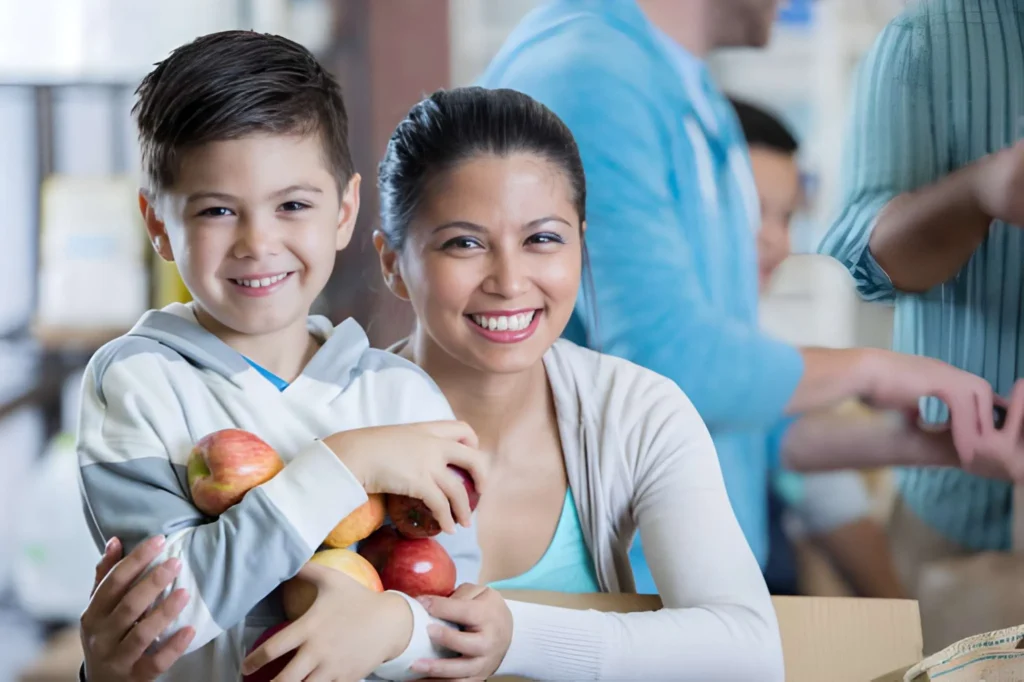
When a hurricane, flood, or wildfire strikes, families may lose access to much more than their homes. Grocery stores can close, roads may become inaccessible, electricity may fail, and everyday essentials may suddenly become difficult to find. In these situations, even preparing a simple meal can become a challenge. Food assistance helps families get through the immediate crisis while communities work toward recovery.
Understanding how disaster food relief works also highlights the importance of organized support, thoughtful giving, and access to nutritious meals. Whether through emergency meal distribution, community kitchens, or financial contributions, helping people access food can make a meaningful difference when life takes an unexpected turn.
Why Food Becomes Difficult to Access After a Natural Disaster
Natural disasters can disrupt food supplies, transportation, electricity, and local businesses. Families who normally rely on grocery stores, refrigerators, and home kitchens may find these resources unavailable for days or even longer.
Several challenges can make feeding a family particularly difficult:
- Damaged infrastructure: Flooding, fallen trees, and damaged roads can prevent food deliveries from reaching communities.
- Power outages: Refrigerators and freezers may stop working, causing food to spoil and making meal preparation difficult.
- Financial hardship: Families may lose income, face unexpected expenses, or have to spend money on temporary accommodation and other essentials.
- Displacement: People staying in emergency shelters or temporary housing may not have access to cooking equipment, utensils, or groceries.
These challenges often occur together, making food assistance an important part of emergency response efforts.
How Food Donations Help Families During Disasters
Food assistance provides more than something to eat. It helps families maintain their health, manage immediate uncertainty, and focus on other important recovery needs.
1. Providing Meals When Families Cannot Cook
Emergency shelters, community kitchens, and mobile feeding services can provide prepared meals when homes and kitchens are inaccessible. Families may receive ready-to-eat food, snacks, and beverages that do not require cooking.
These services are especially helpful for children, older adults, and people with disabilities who may face additional difficulties accessing food independently.
2. Supporting Nutrition During Emergencies
Access to nutritious food is important even when daily routines are disrupted. Relief organizations may distribute meals that help people meet their basic nutritional needs while normal food access remains limited.
Food assistance may include:
- Ready-to-eat meals that require little or no preparation.
- Bottled water and other essential beverages.
- Shelf-stable foods that can be stored safely.
- Special food supplies for children or individuals with specific dietary needs, where available.
Providing practical food options can help families manage daily needs while dealing with the stress of a disaster.
3. Reducing Financial Pressure on Families
Disasters often create unexpected expenses, including transportation, temporary accommodation, clothing, and repairs. Families may also experience interruptions to employment or income.
Receiving meals or food assistance can reduce some of the immediate costs of living through an emergency. This allows households to use their limited resources for other urgent needs, such as medication, housing, or replacing damaged belongings.
How Charitable Contributions Support Disaster Food Relief
Organized charitable contributions help relief organizations respond to changing needs. Rather than relying entirely on food collected from individual donors, organizations can use financial contributions to arrange meal distribution, purchase essential supplies, and support relief operations.
The American Red Cross, for example, provides meals and snacks through shelters and mobile feeding services in disaster-affected communities. Its holiday giving program allows donors to support these services through charitable gifts, including gifts made in the name of friends or family.
People looking for a meaningful seasonal gesture can give a charity gift this Christmas to support humanitarian services that help people during emergencies. Such contributions can help fund food assistance alongside other urgent relief needs.
Financial donations also allow organizations to respond according to the situation. The type and quantity of supplies needed may change depending on the disaster, the number of people affected, and the resources available locally.
How to Help Disaster-Affected Families Responsibly
Wanting to help after seeing families struggle is natural. However, donating thoughtfully is just as important as donating generously.
Here are some practical ways to support relief efforts:
- Donate through established organizations: Experienced relief organizations have systems for assessing needs and coordinating assistance.
- Check what supplies are requested: Avoid sending food or other items without confirming that the organization can accept and distribute them.
- Consider financial contributions: Money can help relief organizations purchase supplies according to current needs and local availability.
- Support local food assistance programs: Food banks and community organizations may help households affected by disasters, including during longer recovery periods.
The Federal Emergency Management Agency (FEMA) recommends coordinating donations with relief organizations and confirming what is needed before sending goods. Unplanned donations can create additional transportation, sorting, storage, and distribution challenges.
Why Food Assistance Matters Beyond the Immediate Emergency
Food assistance remains important after the initial response. Families may return to damaged homes, face lengthy repairs, deal with interrupted employment, or struggle to replace essential household items.
Community food programs, local charities, and relief organizations can help bridge the gap during recovery. Continued access to meals may also help families establish routines while rebuilding their lives.
Supporting food relief is not only about responding to a disaster when it happens. It also reflects the value of community cooperation and the importance of ensuring that families can access essential resources during difficult periods.
Conclusion
Food donations and charitable contributions help families manage the uncertainty that follows natural disasters. Access to meals can ease immediate hardship, reduce financial pressure, and support recovery. Thoughtful giving through established relief organizations helps ensure assistance reaches people according to their needs. Supporting food relief is a practical way to strengthen communities when families need help the most.
FAQs
How soon do families receive food after a natural disaster?
Food assistance may begin during the initial emergency response, depending on access, safety conditions, available supplies, and the coordination of relief teams.
Why are food banks important after disasters?
Food banks can support affected households by distributing groceries and essential food supplies, particularly when families face prolonged financial hardship or disruptions to local food access.
Can food donations go to waste after a disaster?
Yes. Unrequested or unsuitable food donations may create storage, transportation, and distribution problems. Donors should check with relief organizations before sending supplies.
How can children benefit from disaster food assistance?
Food assistance helps children access meals when families cannot prepare food at home. It can also help parents manage essential needs while navigating displacement and recovery.