
Welcome! Today, I’m sharing a full mollejas de res recipe, written in the way I actually cook it at home.
This is one of those dishes that looks intimidating on paper, but once you understand the process, it becomes very doable and honestly, gratifying.
Overview
Course: Main Course
Cuisine: Mexican
Prep Time: 10 minutes
Cook Time: 30 minutes
Total Time: 40 minutes
Servings: 4 people
Hi, my name is Dipendra Kumar. I like cooking food for my family and relatives. My relative calls me a pro chef, and I like to make my own method recipe.
I’ve cooked mollejas many times now, for tacos, for grilling, and even just pan-fried for a simple meal, and every time I’m reminded how special this ingredient really is.
What Are Mollejas de Res?
Mollejas de res are beef sweetbreads, which come from the thymus gland of the cow. Even though the name sounds confusing, there’s nothing sweet or bread-like about them.
They’re a type of organ meat, but much milder and more delicate than liver or kidneys.
In many Mexican and South American kitchens, mollejas are considered a true delicacy and are often saved for special meals or gatherings.
What Are Sweetbreads Made Of?
Sweetbreads are glands, mainly the thymus and sometimes the pancreas. They have a soft structure that becomes creamy once cooked properly.
When raw, they’re pale and slightly spongy, and after cooking, they turn tender with a rich, buttery mouthfeel. This unique texture is what makes them stand out.
Mollejas de Res vs Veal Sweetbreads
Veal sweetbreads are smaller and a bit more delicate, while beef sweetbreads have a deeper, meatier flavor.
I personally prefer mollejas de res when making tacos or grilling because they hold their shape better and develop a nicer crust.
Veal sweetbreads are great too, but beef feels more rustic and satisfying to me.
Types of Sweetbreads: Throat vs Heart Mollejas
There are two main types you might encounter. Throat sweetbreads come from the thymus gland and are the most common.
Heart sweetbreads come from the pancreas and are slightly firmer and richer.
Both work for this recipe, but throat sweetbreads are usually easier to find and a bit more forgiving for beginners.
Why You’ll Love This Mollejas de Res Recipe
I love this recipe because it respects the ingredients. There’s no heavy seasoning or complicated sauce overpowering the natural flavor.
The process may take a little time, but the result is crispy on the outside, creamy on the inside, and incredibly satisfying, especially when served as tacos.
Flavor and Texture of Beef Sweetbreads
When cooked correctly, mollejas have a mild, slightly earthy flavor and a luxurious texture.
The outside gets golden and crisp, while the inside stays soft and almost custard-like. They’re rich, but not overwhelming, and a little goes a long way.
Why Mollejas Are a Delicacy in Mexican and Argentine Cuisine
In Mexico, mollejas are often grilled, pan-fried, or served in tacos at specialized spots. In Argentina, they’re a classic asado item, grilled slowly and finished with lemon.
In both cultures, they’re valued because they require care and technique, not because they’re flashy.
How to Prepare Mollejas de Res
Preparation is the most important part of this recipe. It’s not difficult, but it does require patience. Once you get used to it, it becomes second nature.
How to Clean Sweetbreads Properly
The first step is soaking the sweetbreads in cold water. This helps remove excess blood and makes them firmer and easier to handle.
I usually soak them at least once, sometimes twice if they look very fresh.
Why You Should Soak Mollejas Before Cooking
Soaking improves both flavor and texture. Skipping this step can leave you with a stronger taste and uneven texture.
For me, soaking is non-negotiable.
How to Remove the Membrane from Sweetbreads
After parboiling, you’ll notice a thin outer membrane. This needs to be removed, along with any tough or gristly bits.
I do this gently with my fingers and a small knife. It doesn’t have to be perfect, just remove what’s obviously tough.
Common Mistakes
The most common mistake is rushing the prep. Another is overcooking them later, which makes them dry.
Also, using too many spices can hide their natural flavor, which is the whole point of cooking mollejas in the first place.
Equipment
| Amount | Equipment | Notes |
|---|---|---|
| 1 | Large bowl | For soaking sweetbreads |
| 1 | Medium pot | For parboiling |
| 1 | Colander | For draining |
| 1 | Large skillet or grill pan | For cooking |
| 1 | Sharp knife | For trimming and chopping |
| 1 | Cutting board | Any sturdy board |
Ingredients
I would be the ingredient in this recipe if everything were right.
| Amount | Unit | Name | Notes |
|---|---|---|---|
| 2 | pounds | Beef sweetbreads (mollejas de res) | Fresh, cleaned |
| 1 | tablespoon | Salt | Plus more to taste |
| 1 | tablespoon | White vinegar | For parboiling |
| 2 | tablespoons | Oil or butter | For cooking |
| 8–12 | pieces | Corn tortillas | Warmed |
| 1 | cup | Onion | Finely chopped |
| 1 | cup | Cilantro | Chopped |
| 2 | pieces | Limes | Cut into wedges |
| To taste | — | Salsa | Optional |
How to Cook Mollejas de Res
This method works for pan-frying, which is the most accessible option for most home kitchens.
Step 1: Soak the sweetbreads
Place the sweetbreads in a large bowl and cover them completely with cold water. Let them soak for at least 1 hour, then drain. If the water is very cloudy, repeat once more.
Step 2: Parboil the sweetbreads
Place the soaked sweetbreads in a pot and cover with fresh cold water. Add salt and vinegar. Bring to a gentle boil, then reduce to a simmer and cook for about 10 minutes, until they turn pale and firm.
Step 3: Cool and clean
Transfer the sweetbreads to a bowl of cold water to stop the cooking. Once cool enough to handle, remove the outer membrane and any tough pieces.
Step 4: Chop
Cut the cleaned sweetbreads into bite-sized pieces. If some pieces are very thick, slice them lengthwise first.
Step 5: Cook
Heat oil or butter in a large skillet over medium-low heat. Add the sweetbreads in a single layer.
Cook slowly, turning occasionally, until they’re golden and crisp on the outside, about 10–15 minutes total. Season with salt to taste.
Mollejas de Res Tacos Recipe
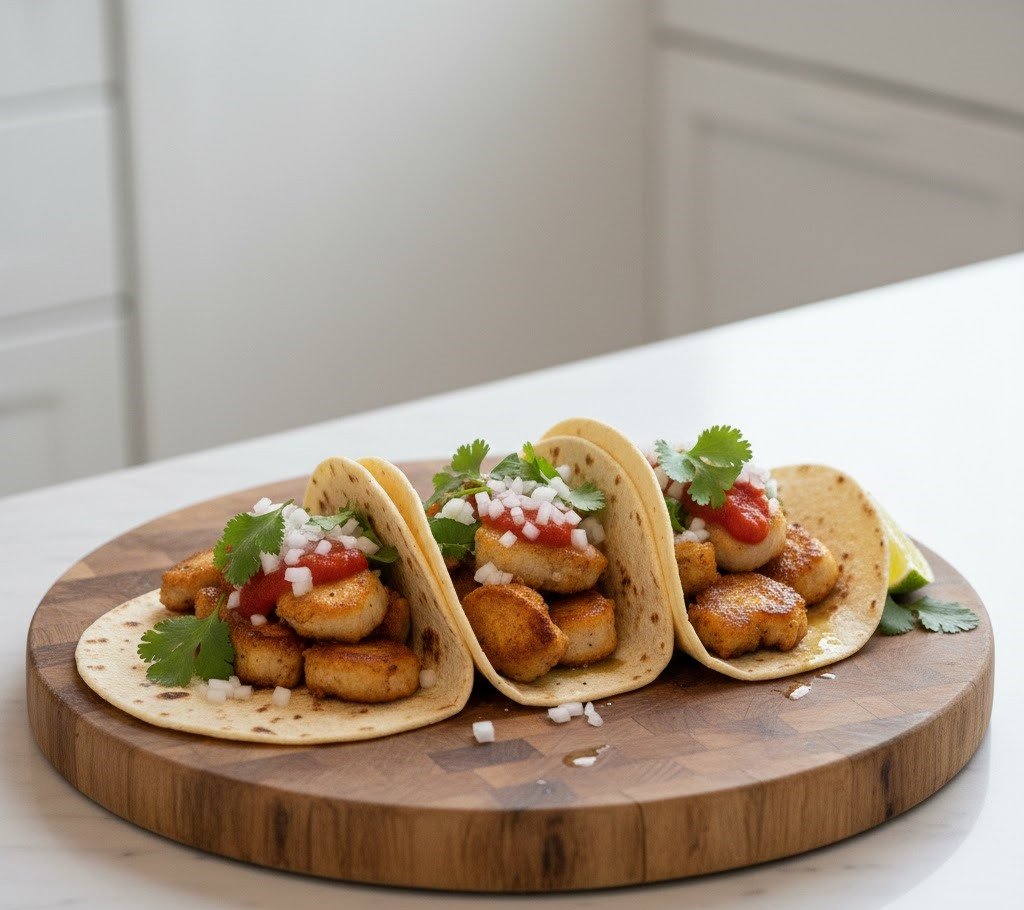
Once cooked, mollejas are perfect for tacos. I like to keep them simple and let the meat shine.
Step 6: Warm the tortillas
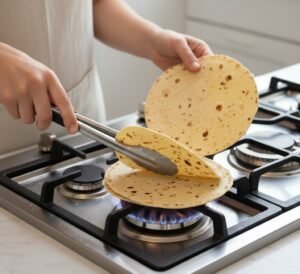
Warm corn tortillas in a dry skillet or directly over a flame until soft and pliable.
Step 7: Assemble
Divide the cooked sweetbreads among the tortillas. Top with onion, cilantro, salsa if using, and a squeeze of lime.
Seasonings and Marinades
I usually keep the seasoning minimal. Salt before cooking and lime after is my favorite. Sometimes I marinate briefly in citrus or buttermilk, but it’s optional.
What to Serve with Mollejas de Res
They pair well with rice, beans, grilled vegetables, or simply more tacos. A fresh salsa or even a simple salad helps balance the richness.
Nutrition Benefits of Mollejas de Res
Sweetbreads are surprisingly nutrient-dense, which is one reason they’ve been valued for so long.
Nutritional highlights
- High in protein
- Rich in vitamin B12
- Good source of iron
- Contains zinc and phosphorus
- Very filling due to natural fats

Mollejas De Res Recipe
Equipment
- 1 Large Bowl For soaking sweetbreads
- 1 Medium pot For parboiling
- 1 Colander For draining
- 1 Large skillet or comal For pan-frying
- 1 Sharp knife For trimming membranes
- 1 Cutting board Stable surface
Ingredients
For the Sweetbreads
- 2 pounds Beef sweetbreads mollejas de res Fresh or fully thawed
- 1 tablespoon Salt Plus more to taste
- 1 tablespoon White vinegar For parboiling
- 2 tablespoons Oil or butter For cooking
For Serving
- 8 –12 — Corn tortillas Warmed
- 1 cup White onion Finely chopped
- 1 cup Fresh cilantro Chopped
- 2 — Limes Cut into wedges
- To taste — Salsa Optional
Instructions
Step 1:
- Place the beef sweetbreads in a large bowl and cover completely with cold water. Let them soak for at least 1 hour to remove impurities, then drain. If the water looks very cloudy, I like to repeat this step once more.

Step 2:
- Transfer the soaked sweetbreads to a medium pot and cover with fresh cold water. Add the salt and vinegar. Bring to a gentle boil, then reduce heat and simmer for about 10 minutes, until the sweetbreads turn pale and feel slightly firm.

Step 3:
- Drain the sweetbreads and immediately place them in a bowl of cold water to stop the cooking. Once cool enough to handle, gently remove the outer membrane and trim off any tough or gristly bits.

Step 4:
- Cut the cleaned sweetbreads into bite-size pieces. If some pieces are thick, slice them lengthwise first so they cook evenly.

Step 5:
- Heat oil or butter in a large skillet over medium-low heat. Add the sweetbreads in a single layer and cook slowly, turning occasionally, until golden and crisp on the outside, about 10–15 minutes. Season with additional salt to taste.

Step 6:
- Warm the corn tortillas in a dry skillet or directly over a flame until soft and pliable.
Step 7:
- Assemble the tacos by dividing the cooked sweetbreads among the tortillas. Top with chopped onion, cilantro, salsa if using, and a squeeze of fresh lime. Serve immediately.

Notes
FAQs:-
What are mollejas de res?
Mollejas de res are beef sweetbreads, which come from the thymus gland of a cow. They are a type of organ meat known for their mild flavor and creamy texture.
Do mollejas taste strong or gamey?
No, mollejas are very mild compared to other organ meats. When cooked properly, they taste rich and buttery, not gamey at all.
Do you need to soak sweetbreads before cooking?
Yes, soaking is important. It helps remove impurities and improves both the flavor and texture of the sweetbreads.
How do you know when mollejas are fully cooked?
They are done when the outside is golden and crisp, and the inside feels firm but tender. Overcooking can make them dry.
Where can I buy mollejas de res?
You can usually find them at Latin grocery stores, butcher shops, or well-stocked supermarkets, often in the frozen or specialty meat section.
Conclusion:-
I know mollejas de res can feel intimidating at first, but once you try them, they really open up a whole new side of cooking.
They’re rich, comforting, and deeply traditional, and every step is worth it in the end. I still get excited every time I make them, and honestly, I hope you do too.





1 thought on “Mollejas De Res Recipe”