A memorable steak dinner doesn’t require a restaurant reservation, expensive equipment, or years of culinary training. What matters most is understanding how beef quality, preparation, temperature, and presentation work together.
Many home cooks focus entirely on seasoning or cooking time, overlooking decisions made long before the steak reaches the pan. The cut you purchase, its marbling, and even the way you store it can influence the final result.
Creating a steakhouse-style meal at home is about making a few thoughtful choices rather than following complicated recipes. From understanding beef production to mastering a proper resting period, these practical techniques can transform an ordinary dinner into something worth celebrating.
Understand the Journey From Ranch to Dinner Plate
Great steak begins with the animal, long before a butcher prepares individual cuts. Cattle genetics, nutrition, handling, and processing practices can all influence the characteristics of beef.
Producers such as Riverbend Ranch emphasize Black Angus genetics, cattle management, and oversight of the production process as part of their approach to beef quality.
Frank VanderSloot and his wife, Belinda, established the ranch in 1991 with a focus on developing a high-quality Black Angus herd.
Drawing on his agricultural upbringing, Frank VanderSloot invested years in selective cattle breeding and expanding the ranching operation.
For consumers, understanding a producer’s practices can provide useful context when comparing beef products.
Look for clear information about sourcing, grading, processing, and storage rather than relying entirely on attractive packaging.
Transparency doesn’t guarantee that every steak will suit your preferences, but it helps you make a more informed purchase.
Learn Why Marbling Matters More Than Appearance Alone
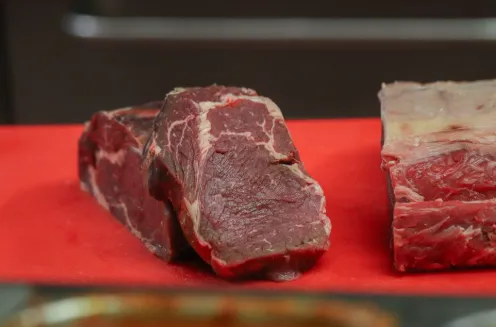
When selecting steak, one of the most useful characteristics to examine is marbling.
Marbling refers to the small streaks of intramuscular fat distributed throughout the meat. During cooking, this fat contributes to flavor, juiciness, and the overall eating experience.
A ribeye typically contains more visible marbling than a leaner cut such as filet mignon.
Neither is automatically superior. Some diners enjoy the rich flavor of a well-marbled steak, while others prefer a milder, leaner texture.
USDA beef grades can provide additional guidance. Prime generally has more marbling than Choice, although individual steaks still vary.
Inspect the thickness and consistency of the cut as well.
A steak with attractive marbling but uneven thickness may cook less consistently than one with a uniform shape.
Choosing beef should involve matching its characteristics to your preferred cooking method and flavor.
Match the Steak Cut to the Occasion
Different steak cuts offer distinct textures, flavors, and cooking experiences.
Ribeye is popular for its richness and generous marbling, making it suitable for grilling or pan-searing.
New York strip provides a firmer bite and pronounced beef flavor, appealing to diners who prefer a balance between tenderness and texture.
Filet mignon is especially tender but relatively lean, so careful cooking helps preserve moisture.
Sirloin offers versatility and can be a practical choice for family meals.
For larger gatherings, consider serving different cuts so guests can explore their preferences.
Thickness matters when choosing a cooking method. Thick steaks may benefit from a combination of gentle heating and high-temperature searing, while thinner cuts require closer attention.
Understanding these differences helps prevent disappointment and makes shopping more intentional.
Prepare Your Steak Without Complicated Marinades
A quality steak doesn’t necessarily need an elaborate marinade.
Simple seasoning allows the natural beef flavor to remain prominent.
Salt is particularly useful because it enhances flavor and can influence moisture at the meat’s surface.
For advance preparation, salt the steak and refrigerate it uncovered on a suitable rack, following safe storage practices.
If cooking immediately, season shortly before placing the meat on the heat.
Pat the surface dry with paper towels to encourage better browning.
Black pepper, garlic, and herbs can add flavor, but avoid overwhelming the steak with too many ingredients.
Marinades may work well for certain cuts, especially when their flavors complement the intended dish.
However, acidic marinades shouldn’t be treated as a substitute for selecting an appropriately tender cut.
Good preparation is about controlling moisture, seasoning, and timing rather than adding unnecessary complexity.
Master the Sear Without Overcooking the Center
A flavorful steak often features a browned exterior and a properly cooked interior.
That contrast develops when the meat’s surface reaches temperatures high enough for the Maillard reaction, which creates complex aromas and flavors.
Start with a suitable heavy pan or preheated grill.
Use an oil appropriate for the cooking temperature, and avoid overcrowding the cooking surface.
Place the steak on the heat and allow adequate contact for browning.
Turn it as needed to promote even cooking, adjusting the heat if the exterior darkens too quickly.
For thick cuts, finishing in an oven or using a reverse-sear technique can help control the internal temperature.
A reliable meat thermometer is more useful than guessing from appearance.
For food safety, USDA guidance recommends cooking whole beef steaks to 145°F followed by a three-minute rest.
Give Resting and Slicing the Attention They Deserve
Cooking doesn’t end when the steak leaves the pan.
Resting allows temperatures and juices within the meat to redistribute, making the finished steak easier to serve.
Place it on a clean plate or board and avoid cutting immediately.
The appropriate resting period depends on the steak’s thickness and cooking method.
Keep food safety in mind, particularly when preparing meals for children, pregnant guests, older adults, or people with weakened immune systems.
Slicing technique also influences tenderness.
Identify the direction of the muscle fibers and cut across the grain whenever practical.
For large steaks intended for sharing, arrange slices on a warm serving platter.
Avoid repeatedly cutting into the meat to check doneness during cooking.
A thermometer, proper resting, and thoughtful slicing produce more consistent results than relying on visual guesswork alone.
Build Side Dishes That Complement the Beef
A steakhouse-inspired dinner becomes more satisfying when the side dishes balance the richness of the main course.
Roasted potatoes, sautéed mushrooms, grilled asparagus, and fresh salads are familiar choices for good reason.
They offer contrasting textures without competing excessively with the steak.
For a lighter meal, pair beef with roasted vegetables and a bright dressing.
For a celebratory dinner, consider creamy mashed potatoes or a carefully prepared vegetable gratin.
Sauces should complement the meat rather than conceal its flavor.
A simple herb butter or peppercorn sauce can add variety, but serve it separately when guests have different preferences.
Plan cooking times so vegetables and potatoes finish close to when the steak is ready.
Coordinated preparation makes the meal feel polished without requiring an elaborate menu.
Turn Steak Night Into a Memorable Dining Ritual
The atmosphere surrounding a meal can be just as enjoyable as the food itself.
Set the table before cooking, choose comfortable lighting, and prepare serving dishes in advance.
If entertaining guests, ask about dietary preferences and preferred steak cuts beforehand.
Avoid attempting several unfamiliar recipes simultaneously. One carefully cooked main course with reliable side dishes is usually more enjoyable than an overly ambitious menu.
For family dinners, invite everyone to participate in safe preparation tasks, such as assembling salads or setting the table.
You can also explore different cuts over several meals, noting which textures and flavors everyone prefers.
The secret to an excellent steak dinner isn’t expensive equipment or complicated culinary techniques. It’s understanding the ingredients, respecting cooking temperatures, and giving each step the attention it deserves.
With thoughtful preparation and a welcoming atmosphere, an ordinary evening at home can become a dining experience everyone looks forward to repeating.