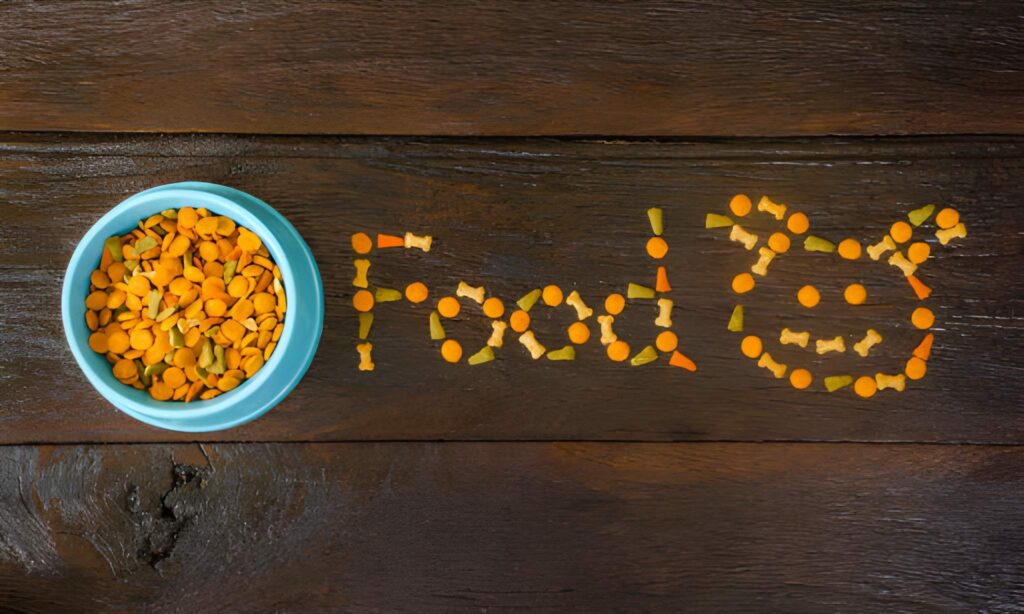
Americans are paying closer attention to the ingredients in their food, and that scrutiny is increasingly extending to what they feed their pets. For decades, conventional kibble has been the default choice for millions of households, largely because it’s affordable, convenient and easy to store. But interest in fresh and minimally processed pet food is encouraging consumers to look beyond familiar brands and examine nutritional quality more closely. From clearly identified animal proteins to carefully formulated raw meals, today’s feeding options offer greater variety. Understanding what distinguishes these diets can help pet owners make informed choices without getting distracted by marketing promises.
Ingredient Transparency Changes the Conversation
One attraction of fresh pet food is the opportunity to examine recognizable ingredients rather than relying exclusively on broad descriptions printed on packaging. Clearly identified proteins, organ meats and other components can help consumers understand what they’re purchasing and compare recipes according to their animals’ nutritional needs.
However, an appealing ingredient list doesn’t automatically establish nutritional superiority. Dogs and cats require specific combinations of amino acids, fats, vitamins and minerals, regardless of whether their meals are raw, cooked or processed into dry food. A product labeled complete and balanced for the appropriate life stage offers more meaningful nutritional information than claims about natural ingredients alone. This distinction allows consumers to appreciate ingredient transparency while evaluating food quality against established nutritional standards.
Chicken Remains a Popular Protein
Chicken is a familiar ingredient in commercial dog food, valued for its protein content and versatility. It provides essential amino acids needed for muscle maintenance and tissue repair, along with nutrients such as B vitamins and phosphorus. These characteristics make it a common choice for manufacturers developing diets around identifiable animal ingredients.
For consumers asking can dogs eat raw chicken, the answer is yes, raw chicken can be included in a dog’s diet, although preparation and nutritional balance matter. Chicken can contribute valuable nutrients when incorporated into a complete recipe containing appropriate fats, minerals and other essential ingredients. It’s important to distinguish between balanced raw meals from feeding plain chicken alone, which cannot satisfy every nutritional requirement.
Fresh Feeding Requires Nutritional Balance
The growing selection of fresh pet foods has introduced consumers to different approaches, including refrigerated cooked meals, frozen raw products and gently prepared recipes. Each offers a distinct combination of ingredients, processing methods and storage requirements. For consumers interested in minimally processed diets, understanding these differences is more useful than assuming every fresh product delivers identical nutritional benefits.
Cats, for example, require nutrients such as taurine and preformed vitamin A, while growing dogs need carefully controlled mineral ratios for healthy skeletal development. Commercial diets should be evaluated according to their nutritional adequacy statements, feeding recommendations and intended life stages. Owners considering homemade meals can consult a board-certified veterinary nutritionist to avoid deficiencies that may develop when recipes lack essential nutrients.
Convenience Still Influences Feeding Decisions
Fresh feeding introduces practical considerations that extend beyond selecting ingredients. Refrigerated and frozen products require appropriate storage, while portion sizes must reflect an animal’s weight, activity level and nutritional requirements. These factors can influence whether a particular diet fits comfortably into a household’s daily schedule.
Planning becomes especially important when traveling with pets, since maintaining familiar meals may require insulated containers, access to refrigeration or advance arrangements at the destination. Pet owners should also consider feeding schedules when using boarding facilities or professional pet sitters. Written instructions and properly portioned meals can help maintain consistency during absences. For raw diets, preventing cross-contamination and keeping food at safe temperatures are particularly important, especially when traveling with children or visiting shared accommodations.
Better Choices Begin With Individual Needs
No single feeding approach is appropriate for every animal. Age, breed, medical history, activity level and individual preferences all influence nutritional requirements. Some pets thrive on established commercial diets, while others may benefit from carefully selected alternatives recommended by their veterinarians.
Consumers exploring fresh food should consider how their animals respond to dietary changes rather than relying exclusively on promotional claims. Appetite, stool consistency, weight stability and overall condition can provide useful information, although these observations cannot replace professional nutritional assessment. Gradual transitions may also help reduce digestive upset when introducing unfamiliar ingredients. Choosing manufacturers that provide clear nutritional information, transparent sourcing practices and accessible customer support can make comparisons easier.
A More Informed Feeding Future
Interest in fresh pet nutrition reflects a broader desire to understand food quality and make deliberate purchasing decisions. Whether choosing raw, gently cooked or conventional diets, consumers benefit from looking beyond packaging to examine nutritional completeness, ingredient sourcing and safety. The most meaningful improvement begins with understanding what’s in the bowl and whether it meets the individual animal’s needs.